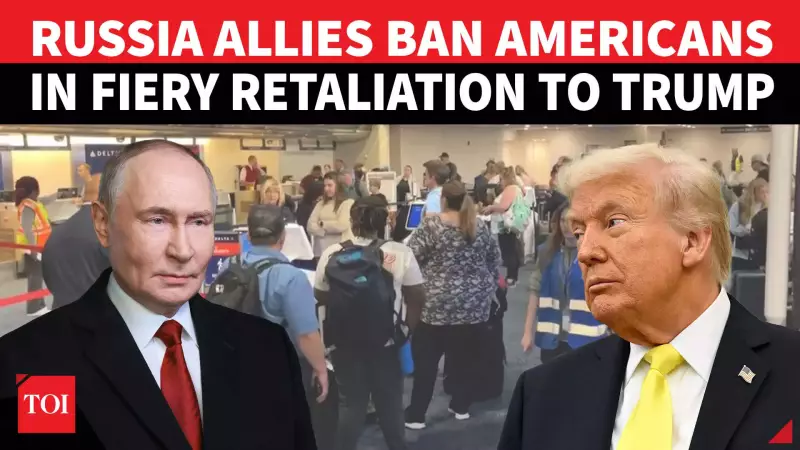
A significant diplomatic confrontation is unfolding in West Africa, marked by a tit-for-tat visa policy shift. The nations of Mali and Burkina Faso have officially barred entry to citizens of the United States. This decisive action is a direct response to the recent decision by former US President Donald Trump to impose a comprehensive travel ban on both African countries.
Reciprocal Restrictions Escalate Tensions
The governments of Mali and Burkina Faso, both currently led by military juntas, announced their reciprocal visa bans on January 1, 2026. They strongly criticized Washington's move, stating it was enacted without prior consultation and lacked justification based on the actual conditions within their territories. In a firm statement, they vowed to mirror the exact entry restrictions that the US has placed on their own citizens, framing it as a matter of sovereign dignity and reciprocity.
This retaliatory measure did not occur in a vacuum. It comes at a time when both Sahel nations are actively deepening their political and security alliances with Russia. This realignment follows their earlier decisions to expel French counter-insurgency forces and, subsequently, US military personnel from their soil. The growing partnership with Moscow is viewed as a strategic pivot away from traditional Western allies.

Geopolitical Re-alignment in the Sahel
The coordinated visa bans underscore a rapidly changing power dynamic in the West African region. Analysts see this as a clear challenge to long-standing American influence and a sign of Russia's expanding diplomatic and strategic footprint. The Kremlin has been actively offering security assistance and political support to regimes in Bamako and Ouagadougou, filling the vacuum left by departing Western troops.
This development raises substantial concerns among Western capitals about regional stability and the fight against jihadist insurgencies in the Sahel. The entry bans effectively formalize a growing rift, making official communication and diplomatic engagement more challenging. It signals a new era where West African nations are more assertively choosing partners outside the traditional Euro-American sphere.
Broader Implications for US Foreign Policy
The standoff presents a complex challenge for US foreign policy in Africa. The loss of military and diplomatic footing in Mali and Burkina Faso, both key states in the turbulent Sahel, could have repercussions for regional counter-terrorism efforts and broader geopolitical competition. The move by these nations demonstrates a willingness to directly confront US policies, a stance that was less common in previous decades.
This incident, set against the backdrop of President Trump's return to power and his "America First" foreign policy approach, highlights how unilateral travel restrictions can trigger diplomatic chain reactions. It also illustrates how global powers like Russia are leveraging such friction to gain strategic advantage. The situation remains fluid, with potential for further escalations or for behind-the-scenes negotiations to de-escalate the visa war.