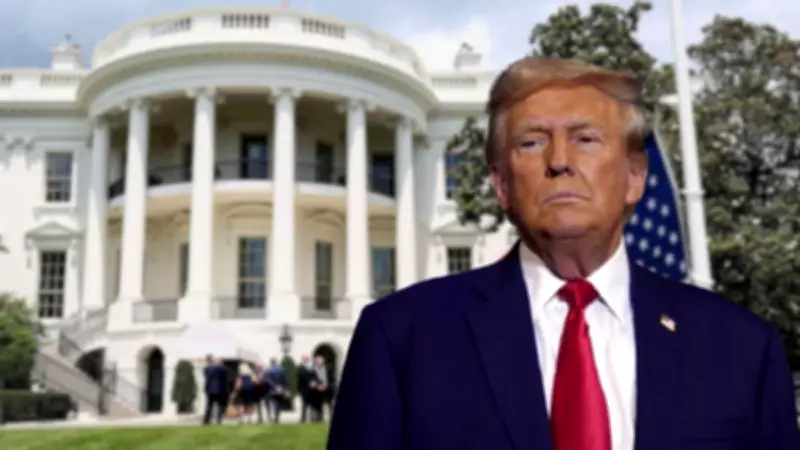
Washington's Diplomatic Maneuvers: A Timeline to the US-Iran Ceasefire
As the war in West Asia continues to escalate, a significant diplomatic breakthrough emerged with the announcement of a ceasefire between the United States and Iran. This development, which has captured global attention, was preceded by a series of critical events in Washington, D.C., that shaped the path to this fragile peace. The timeline below outlines the key moments leading up to the ceasefire, set against the backdrop of ongoing conflict in the Middle East.
Early Diplomatic Engagements and Initial Tensions
In the weeks preceding the ceasefire, Washington was abuzz with diplomatic activity aimed at de-escalating tensions in West Asia. High-level meetings between U.S. officials and international mediators were held, focusing on finding a peaceful resolution to the conflict that has ravaged the region. These discussions were marked by intense negotiations, as both sides grappled with complex geopolitical interests and security concerns. The U.S. administration, under pressure to address the humanitarian crisis, initiated backchannel communications with Iranian representatives, setting the stage for more formal talks.
Key Events in Washington Leading to the Ceasefire
The timeline of events in Washington reveals a carefully orchestrated diplomatic push. It began with secretive consultations among top U.S. policymakers, who assessed the risks and opportunities of engaging with Iran amid the war. This was followed by public statements from U.S. leaders, emphasizing the need for a ceasefire to prevent further bloodshed in West Asia. Critical milestones included:

- High-stakes meetings at the White House, where strategies were devised to broker a temporary halt in hostilities.
- Coordination with allied nations to build international support for the ceasefire initiative.
- The issuance of a joint statement by U.S. and Iranian diplomats, outlining the preliminary terms of the agreement.
These efforts culminated in the official announcement of the ceasefire, which was broadcast from Washington, signaling a potential turning point in the conflict.
Donald Trump's Reaction and Political Implications
Former President Donald Trump, a key figure in U.S.-Iran relations, reacted swiftly to the ceasefire news. In a series of public comments, Trump expressed skepticism about the durability of the agreement, citing past failures in diplomatic engagements with Iran. He emphasized the need for a strong U.S. stance to ensure compliance, while also acknowledging the humanitarian benefits of reducing violence in West Asia. Trump's reaction has sparked debates in political circles, with analysts noting its impact on domestic and foreign policy discussions in Washington.
Ongoing Challenges and the Path Forward
Despite the ceasefire announcement, the war in West Asia remains a volatile situation, with ongoing skirmishes reported in various hotspots. Washington continues to monitor developments closely, as the implementation of the ceasefire terms faces hurdles. Key challenges include:
- Ensuring both sides adhere to the agreed-upon cessation of hostilities.
- Addressing underlying issues that fueled the conflict, such as territorial disputes and regional rivalries.
- Maintaining international pressure to support long-term peace efforts.
The timeline of events in Washington highlights the intricate diplomacy required to navigate such crises, with the ceasefire serving as a critical, albeit tentative, step toward stability in the Middle East.