

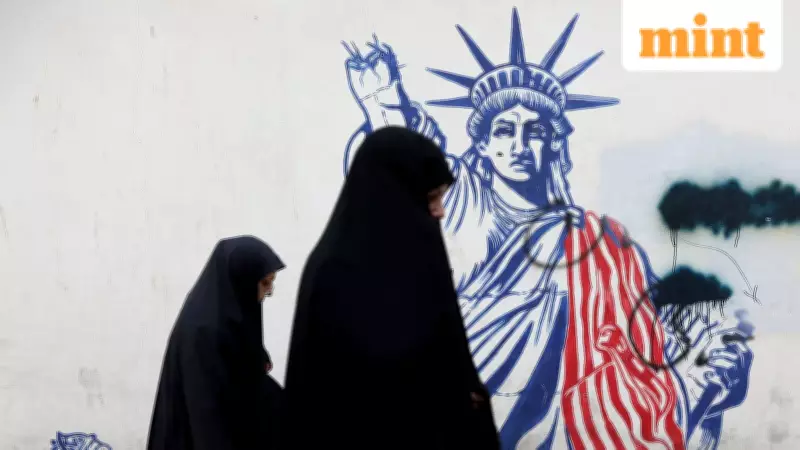
U.S. Issues Urgent Travel Warning for American Citizens in Iran
In a significant security alert issued ahead of planned nuclear negotiations between the United States and Iran, the U.S. Virtual Embassy in Iran has strongly advised American citizens to depart the country immediately. The warning comes amid escalating security concerns, widespread internet restrictions, road closures, disruptions to public transportation systems, and continued airline flight cancellations that have created a volatile environment for foreign nationals.
Critical Advisory Details and Safety Recommendations
According to official statements published on the U.S. Virtual Embassy in Iran website, American citizens should anticipate continued internet outages and plan alternative communication methods. The embassy specifically recommended that, if safe to do so, individuals consider departing Iran by land routes to neighboring countries such as Armenia or Türkiye.
The embassy outlined three crucial actions for American citizens currently in Iran:

- Depart Iran immediately with a concrete plan that does not rely on U.S. government assistance for evacuation.
- Prepare for potential flight cancellations and travel disruptions with minimal warning by checking directly with airlines for real-time updates.
- For those unable to leave, secure a safe location within residences or other buildings while maintaining adequate supplies of food, water, medications, and other essential items.
Heightened Security Measures and Communication Protocols
The embassy further advised citizens to strictly avoid all demonstrations, maintain a low public profile, and remain constantly alert to their surroundings. Officials urged individuals to monitor local media for breaking developments, maintain readiness to alter plans as necessary, keep communication devices fully charged, and maintain regular contact with family and friends to provide status updates.
"The U.S. government cannot guarantee your safety if you choose to depart using the following options. You should leave only if you believe it is safe to do so," emphasized the U.S. Virtual Embassy Iran in their official statement, highlighting the limitations of governmental protection in the current security climate.
Background: Renewed Nuclear Negotiations Amid Regional Tensions
The travel advisory coincides with scheduled resumption of nuclear talks between Iran and the United States in Oman on Friday. These negotiations, focused at least partially on Tehran's nuclear program, follow a turbulent week that initially included plans for broader regional discussions in Turkey.
This diplomatic engagement marks a return to Oman, the sultanate on the eastern edge of the Arabian Peninsula, months after earlier rounds of dialogue collapsed following Israel's 12-day conflict with Iran in June. Iranian state news agency IRNA confirmed Thursday night that Iranian diplomat Araghchi had arrived in Muscat to participate in the talks.
According to reports from AFP, Iran's foreign ministry stated Thursday evening that Tehran had a "responsibility not to miss any opportunity to use diplomacy" to preserve peace, expressing hope that Washington would participate in discussions "with responsibility, realism and seriousness."
Political Context and Presidential Commentary
The diplomatic meeting occurs less than a month after the peak of nationwide protests in Iran against the clerical leadership, which human rights organizations claim were met with severe government crackdowns resulting in significant casualties.
U.S. President Donald Trump commented on the situation Thursday, stating "They're negotiating" regarding Iran, while adding "They don't want us to hit them, we have a big fleet going there," referencing the aircraft carrier group he has repeatedly characterized as an "armada." This statement underscores the heightened military tensions accompanying the diplomatic negotiations.
The comprehensive travel advisory reflects growing concerns about the security environment in Iran as delicate nuclear negotiations proceed, with American citizens caught in the geopolitical crosscurrents between two nations with historically strained relations.






