

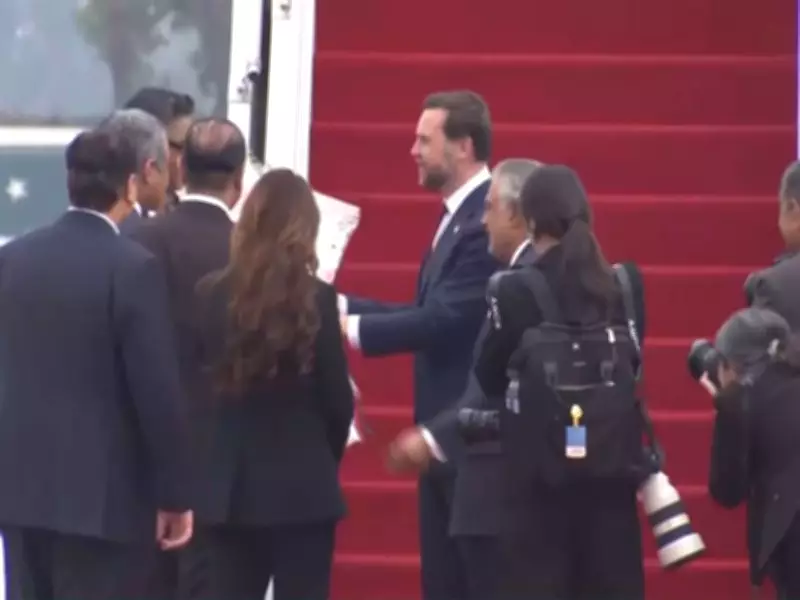
US Diplomats Arrive in Pakistan for High-Stakes Iran Truce Talks
A high-level delegation from the United States has landed in Pakistan to engage in critical negotiations with Iranian officials, focusing on de-escalating regional tensions and establishing a truce in the volatile Strait of Hormuz. This strategic waterway is a vital chokepoint for global oil shipments, making these talks pivotal for international energy security and geopolitical stability.
Focus on Strait of Hormuz and Regional De-escalation
The discussions are centered on reducing hostilities and preventing conflicts in the Strait of Hormuz, through which approximately one-fifth of the world's oil passes daily. The US team aims to address longstanding disputes and foster a ceasefire agreement that could mitigate risks of military confrontations and ensure uninterrupted maritime trade.
Pakistan's Role as Mediator: Pakistan is serving as a neutral venue for these talks, leveraging its diplomatic ties with both nations to facilitate dialogue. This move underscores Islamabad's efforts to position itself as a peacemaker in the region, amid complex international relations.

Broader Implications for Global Oil Markets
The outcome of these negotiations could have significant repercussions for global oil prices and supply chains. Any escalation in the Strait of Hormuz has historically led to spikes in oil costs, affecting economies worldwide. By pursuing a truce, the US and Iran are indirectly addressing concerns over potential disruptions that could impact energy markets and inflation rates.
Key Objectives of the Talks:
- Establish a formal ceasefire to prevent military clashes in the Strait of Hormuz.
- Enhance maritime security protocols to safeguard oil tankers and shipping lanes.
- Promote diplomatic channels for ongoing conflict resolution between the US and Iran.
- Explore confidence-building measures to reduce regional animosities.
Context of US-Iran Relations and Regional Dynamics
These talks occur against a backdrop of strained US-Iran relations, marked by sanctions, nuclear program disputes, and proxy conflicts in the Middle East. The involvement of Pakistan adds a layer of complexity, as it balances its alliances with both Washington and Tehran. Success in these negotiations could pave the way for broader diplomatic engagements, while failure might exacerbate existing tensions.
The US delegation's visit highlights a strategic shift towards dialogue over confrontation, reflecting broader international calls for stability in oil-rich regions. As discussions unfold, stakeholders globally are closely monitoring developments that could reshape geopolitical alliances and economic forecasts.






