

US Targets Iran's Oil Exports with Fresh Sanctions Following Nuclear Dialogue
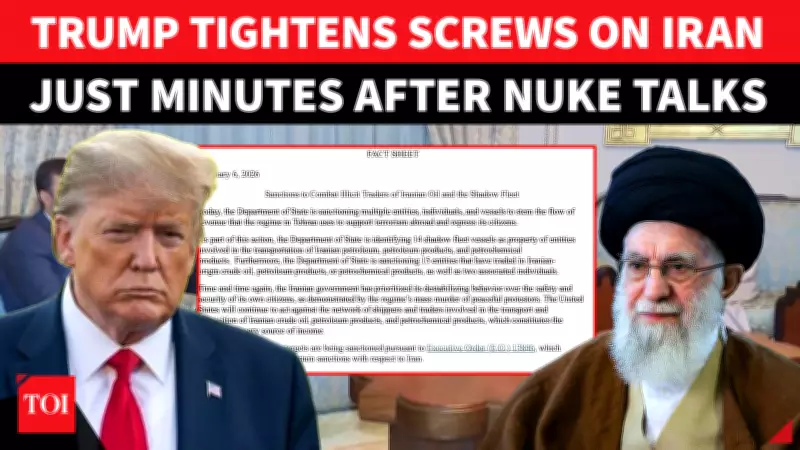
In a move that underscores the persistent tensions between Washington and Tehran, the United States has announced a new round of sanctions targeting Iran's oil industry, mere moments after indirect nuclear talks concluded in Muscat. The sanctions, which form part of President Donald Trump's renewed maximum pressure campaign, specifically designate 14 vessels, 15 entities, and two individuals involved in Iran's oil exports.
Diplomacy and Pressure: A Dual Approach
This development comes despite reports from Tehran describing a "positive atmosphere" during the recent discussions focused on Iran's nuclear program. U.S. officials have justified the sanctions by asserting that Iran's oil revenues are being used to fund destabilizing activities abroad and intensify repression within its own borders. The timing of the announcement sends a clear signal that Washington intends to maintain enforcement actions even as diplomatic channels remain open.
The scope of the sanctions has expanded significantly, now including vessels flagged from countries such as Turkey, India, and the United Arab Emirates. This broadening indicates a strategic effort to tighten the noose on Iran's ability to circumvent existing restrictions and continue its oil trade through international networks.

Military Presence and Strategic Messaging
Compounding the economic pressure, the United States has been increasing its military presence near Iran's shores in recent months. This combination of military posturing and economic sanctions creates a stark message for Tehran: while diplomacy may proceed, the pressure campaign will not pause or relent.
The renewed maximum pressure strategy appears designed to force concessions from Iran regarding its nuclear ambitions and regional activities. However, critics argue that such an approach could undermine the very diplomatic processes it claims to support, potentially leading to further escalation in an already volatile region.
Implications for Global Oil Markets and Regional Stability
The targeting of 14 oil tankers specifically threatens to disrupt Iran's crucial export revenue streams, which have been a lifeline for its economy amid previous rounds of sanctions. This move could have ripple effects on global oil markets, particularly if it leads to reduced Iranian exports or increased tensions in key shipping lanes.
- The sanctions directly challenge Iran's ability to finance its nuclear program and regional proxy groups.
- They signal Washington's commitment to maintaining leverage throughout any negotiation process.
- The inclusion of vessels from multiple countries demonstrates a coordinated international enforcement effort.
As both nations navigate this delicate balance between dialogue and pressure, the international community watches closely. The outcome of this latest chapter in U.S.-Iran relations could significantly impact not only bilateral ties but also broader Middle Eastern stability and global energy security.






