New START Treaty Expiry Ignites Fears of Renewed Nuclear Arms Race
The expiration of the New Strategic Arms Reduction Treaty (New START) on February 4 has created a dangerous vacuum in nuclear arms control between the United States and Russia. This development occurs against a backdrop of heightened global tensions, with the Bulletin of the Atomic Scientists recently moving the Doomsday Clock four seconds closer to midnight, signaling unprecedented proximity to global catastrophe.
Historical Context of Nuclear Arms Control
The New START treaty, originally signed in 2010 by then-presidents Barack Obama and Dmitry Medvedev, represented the pinnacle of post-Cold War arms reduction efforts. It followed a series of agreements beginning with START-I in 1991, which successfully limited deployed warheads, launchers, and ballistic missiles between the two nuclear superpowers. However, the arms control architecture has steadily eroded over recent years, with key treaties like the Anti-Ballistic Missile Treaty and Intermediate-Range Nuclear Forces Treaty already collapsed.
Current Geopolitical Landscape
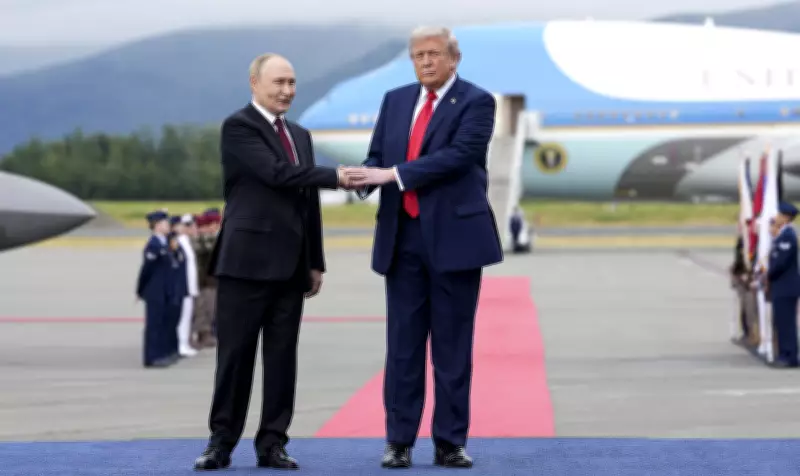
The treaty's expiration coincides with particularly volatile leadership dynamics. Donald Trump's unpredictable foreign policy approach and Vladimir Putin's increasingly assertive stance regarding Ukraine create a perfect storm for nuclear instability. Russia had already suspended inspection activities under New START in 2023 amid the Ukraine conflict, and while Putin proposed a one-year voluntary extension last September, substantive negotiations remain distant.

Three Critical Consequences of Arms Control Collapse
First, the absence of binding limits creates powerful incentives for nuclear expansion. International relations theory suggests that when one nation increases its arsenal, rivals perceive this as an offensive threat, triggering what scholars term a security dilemma. The recent 12-day conflict between Israel and Iran serves as a textbook example of how arms races can fuel direct military confrontation.
Second, the stability-instability paradox becomes more pronounced. While fear of nuclear retaliation might prevent direct war between nuclear-armed states, it paradoxically increases the likelihood of low-intensity conflicts and proxy wars. Without transparency agreements, clarity about arsenal sizes and readiness diminishes, making the nuclear threshold harder to discern and increasing miscalculation risks.
Third, nuclear proliferation accelerates globally. When the world's two primary nuclear powers abandon arms control frameworks, other nations feel compelled to follow suit. This is particularly concerning regarding Iran's nuclear program negotiations and potential regional domino effects involving Saudi Arabia, Turkey, and Egypt. An already volatile West Asia could become exponentially more dangerous with multiple nuclear-armed states.
Pathways Forward and Historical Precedents
Former US president Ronald Reagan's experience watching the nuclear war film The Day After directly influenced his arms control efforts with Mikhail Gorbachev, demonstrating how visceral understanding of nuclear consequences can drive diplomatic progress. Today, Trump could respond to Putin's extension proposal with counter-terms focusing on reductions and inspections, potentially reopening dialogue channels.
The fundamental reality remains unchanged: excessive nuclear weapons pose existential threats to humanity. As the Doomsday Clock ticks ominously forward, the international community watches anxiously to see whether diplomacy will prevail or whether we will witness the dawn of a new, more dangerous nuclear age.