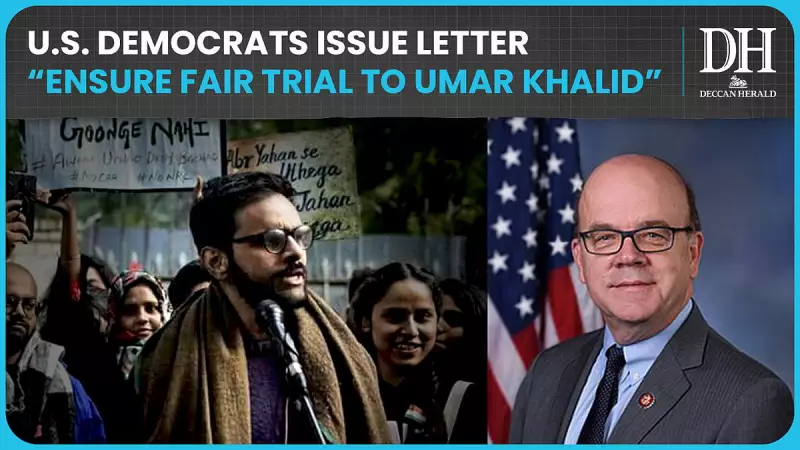
A group of influential United States lawmakers has formally expressed concern over the prolonged detention of several Indian student activists, including Umar Khalid and Sharjeel Imam. In a significant diplomatic move, they have called upon the Indian government to ensure a fair judicial process and to uphold fundamental human rights.
Congressional Letter Highlights Human Rights Concerns
The action was taken in the form of a detailed letter addressed to US Secretary of State Antony Blinken. The letter was signed by a total of 34 members of the US Congress, demonstrating bipartisan unease regarding the situation. The lawmakers specifically named activists Umar Khalid, Sharjeel Imam, and several others associated with student groups like the Pinjra Tod collective and the Fraternity Movement.
Central to their concern is the use of India's stringent Unlawful Activities (Prevention) Act (UAPA) in these cases. The legislators argued that the anti-terror law is being employed in a manner that potentially suppresses dissent and restricts the right to peaceful protest. They emphasized that these individuals have been held in jail for extended periods, with some awaiting trial for over three years, raising serious questions about due process.

Focus on the Delhi Riots and Allegations
The congressional letter directly references the cases stemming from the February 2020 communal violence in Delhi. Umar Khalid, a former Jawaharlal Nehru University (JNU) student, and Sharjeel Imam, an activist from the same institution, are among the key accused in a larger conspiracy case related to the riots. The US lawmakers noted that the charges against them are based on speeches they delivered, which prosecutors allege incited violence.
However, the letter points out that Indian courts have previously granted bail to other individuals accused in the same set of events, citing a lack of concrete evidence. This discrepancy forms a core part of the lawmakers' argument for reviewing the continued detention of Khalid, Imam, and others under the UAPA.
Call for Diplomatic Action and Broader Implications
The primary demand in the communication is for the US State Department to actively raise these cases with Indian authorities. The lawmakers urged Secretary Blinken to press for the immediate release of those detained while awaiting trial and to ensure their right to a speedy and transparent legal process. They framed this not as interference, but as a commitment to shared democratic values and universal human rights.
This development marks a notable moment in India-US relations, where human rights issues are brought to the forefront by elected representatives. It underscores the growing international scrutiny of India's domestic legal mechanisms, particularly the application of laws like the UAPA against activists and dissenters. The Indian government has consistently maintained that its legal processes are independent and that all actions are taken in accordance with the law to preserve national integrity and public order.
The letter from the US Congress adds a new diplomatic dimension to these high-profile legal battles, potentially influencing future dialogues between the two strategic partners. The response from Indian officials and the progression of the mentioned court cases will be closely watched by human rights organizations and political observers globally.