US-Iran Strait of Hormuz Standoff Escalates as Ceasefire Deadline Nears
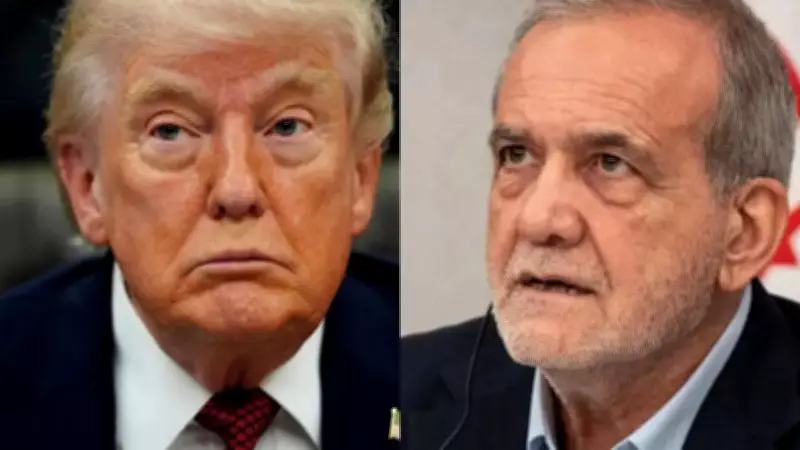
The tense standoff between the United States and Iran in the strategically vital Strait of Hormuz remains unresolved, with only 72 hours remaining before the expiration of a two-week ceasefire. The situation has dramatically escalated after Iran, angered by what it perceives as false victory claims from US President Donald Trump, announced it is once again shutting down the critical waterway.
Iran's Response to Trump's Social Media Grandstanding
Tehran's decision comes in direct response to President Trump's social media posts, which portrayed Iran as having completely capitulated to American demands. Among these demands was the surrender of Iran's uranium stockpile, a claim that has been vehemently denied by Iranian officials. Iran's Supreme National Security Council stated that the conditional, limited opening of the Strait of Hormuz would be prevented if the US continues disruptive actions.
"As long as the enemy intends to disrupt vessel traffic or impose methods like naval blockades, the Islamic Republic of Iran will consider that a ceasefire violation," declared the council, marking a significant setback to the deal Trump projected as imminent last Friday.

Immediate Consequences and International Reactions
Following Iran's announcement, two Indian vessels, including a super tanker carrying 2 million barrels of oil, were forced to reverse course from the strait after reports of gunfire from Iran's Revolutionary Guard. New Delhi has lodged a strong formal protest in response to this incident.
Both nations are now maintaining a hair-trigger posture in the strait, with each side threatening to prevent vessels that the other is attempting to shepherd through. This dangerous escalation follows a series of Trump's social media announcements on Friday that many interpreted as a premature victory celebration.
Contradictory Claims and Iranian Defiance
Among Trump's claims were assertions that Iran had agreed to:
- Give up its "nuclear dust"
- Work with the US to extricate enriched uranium back to American soil
- Remove mines from the Hormuz Strait
- Accept no monetary rewards in what was portrayed as unconditional surrender
Iran has pushed back forcefully against these claims, insisting it will never surrender its uranium stockpile, which it considers a sovereign national asset that will not be transferred out of the country under any circumstances. Far from being beaten into submission as Trump suggested, Tehran has indicated it will stand up for its rights even if it means facing another round of punitive American strikes.
Trump's Mixed Messages and Domestic Pressures
When asked about extending the ceasefire, Trump offered contradictory statements, saying "I don't know. Maybe I won't extend it … Unfortunately, we'll have to start dropping bombs again." Yet he also attempted to put a positive spin on developments, suggesting Iranian pushback might be for domestic consumption and that factions within Iran might be more amenable to a deal than the hardline leadership.
"We have very good conversations going on. It's working out very well. They got a little cute, as they have been doing for 47 years," Trump told reporters aboard Air Force One, even as he faces growing disquiet within Republican circles about entering another distant conflict.
Broader Political Context and Diplomatic Maneuvers
The US president is currently battling on multiple fronts, including conflicts with the Pope and NATO, forcing him to return to domestic political campaigning where he faces headwinds ahead of November's midterm elections. Trump has even engaged in religious symbolism, recording a passage from the Old Testament for a national Bible reading event, despite his often-criticized relationship with scripture.
In a diplomatic maneuver, Trump has drafted Pakistan into efforts to pressure Iran to back down, offering to visit Islamabad personally if Pakistan can secure an Iranian agreement. However, Iran has shown no signs of biting on this bait, maintaining its defiant stance as the ceasefire deadline approaches.

The situation remains volatile with both sides entrenched in their positions, threatening regional stability and global energy supplies as the clock ticks down toward Wednesday's ceasefire expiration.