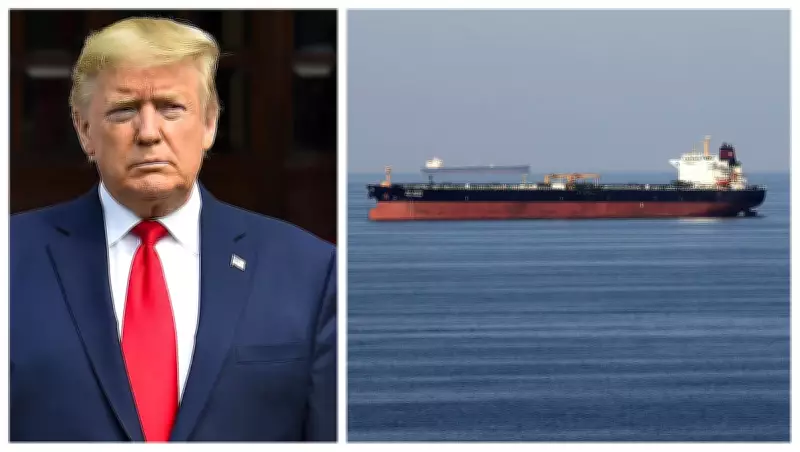
US Treasury Secretary States Washington Is 'Fine' with Select Vessels in Strait of Hormuz
In a significant diplomatic statement, US Treasury Secretary Scott Bessent has declared that the United States is currently 'fine' with ships from Iran, India, and China navigating through the strategically vital Strait of Hormuz. This announcement, reported by Reuters on March 16, 2026, underscores a nuanced approach to maritime security in a region often fraught with geopolitical tensions.
Details of the Statement and Its Implications
Secretary Bessent's remarks, made in an official capacity, indicate a measured stance by the US government regarding the passage of vessels from these specific nations through the strait. The Strait of Hormuz is a critical chokepoint for global oil shipments, handling approximately one-fifth of the world's petroleum trade, making any policy shifts here highly consequential for international energy markets and security.
The statement suggests a pragmatic recognition of the current maritime realities, potentially aimed at de-escalating regional conflicts or facilitating smoother trade flows. By explicitly naming Iranian, Indian, and Chinese ships, the US appears to be distinguishing between different actors in the region, rather than imposing blanket restrictions that could disrupt commerce.

Broader Context and Regional Dynamics
This development occurs against a backdrop of ongoing tensions in West Asia, where the US has historically maintained a strong military presence to safeguard shipping lanes. The mention of Iranian vessels is particularly notable, given the long-standing adversarial relationship between Washington and Tehran, which has often involved naval confrontations in these waters.
India and China, as major global economies with significant energy imports passing through the strait, are key stakeholders in ensuring its stability. The US's acceptance of their ships may reflect efforts to foster cooperative relationships or avoid unnecessary friction with these rising powers.
Analysts speculate that this stance could be part of a broader strategy under the current US administration, led by President Donald Trump, to balance security concerns with economic interests. It may also signal a shift towards more targeted policies, focusing on specific threats rather than broad-based maritime controls.
Potential Impacts and Future Outlook
- Enhanced Maritime Security: By clarifying its position, the US might reduce the risk of accidental clashes or misunderstandings in the strait, contributing to safer navigation for all vessels.
- Economic Stability: Assurances for key shipping nations like India and China could help stabilize oil prices and ensure uninterrupted energy supplies to global markets.
- Diplomatic Relations: This move could open doors for further dialogue with Iran or strengthen ties with India and China, depending on how it is perceived and reciprocated.
As the situation evolves, stakeholders will be closely monitoring any follow-up actions or statements from the US government and other involved parties. The Strait of Hormuz remains a flashpoint in global geopolitics, and such declarations play a crucial role in shaping its future security landscape.