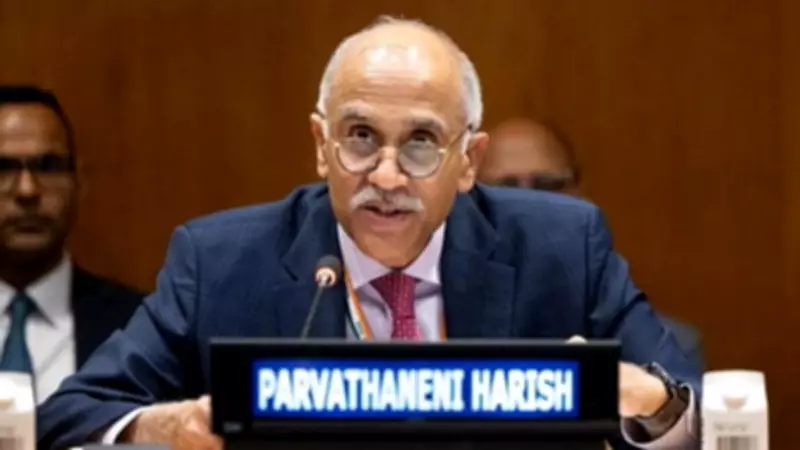
India has cautioned that any reform of the United Nations Security Council (UNSC) would border on failure if it only expands the non-permanent category. Speaking at the UN, India underscored the need for text-based negotiations on UNSC reform to ensure that discussions are more purposeful and outcome-oriented.
India's Stance on UNSC Expansion
India argued that merely increasing the number of non-permanent members would not address the fundamental issues of representation and effectiveness. The country has long advocated for a comprehensive reform that includes expanding both permanent and non-permanent categories, reflecting contemporary global realities.
Call for Text-Based Negotiations
India emphasized the importance of moving from general discussions to concrete, text-based negotiations. This approach, according to Indian diplomats, would make the reform process more transparent and result-driven. Without such negotiations, progress on UNSC reform risks remaining stagnant.

The statement comes amid ongoing debates within the UN about restructuring the Security Council to make it more representative of the 21st-century geopolitical landscape. India, along with other nations, has been pushing for a seat as a permanent member in an expanded council.
India's position is that any reform that does not address the core issue of permanent membership expansion would be incomplete and could undermine the council's legitimacy. The country continues to engage with member states to build consensus on a comprehensive reform package.