India Plans Underground Railway Tracks to Secure Strategic Chicken's Neck Corridor
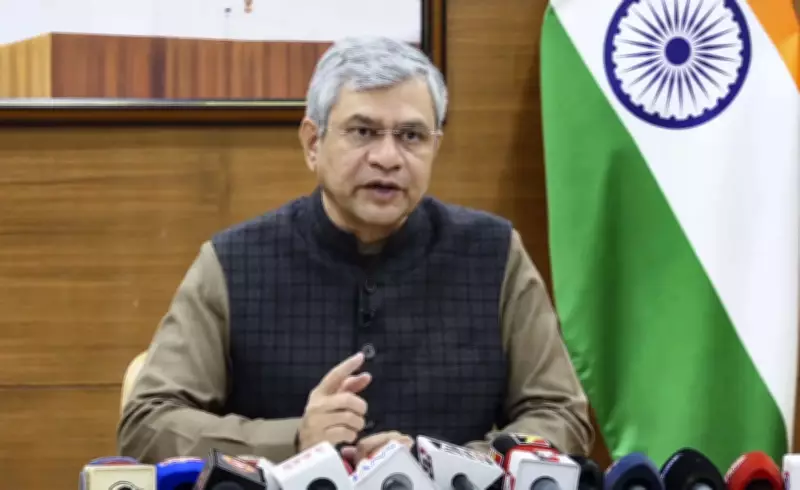
In a significant move to bolster national security and regional connectivity, India is planning to construct underground railway tracks through the strategically vital Siliguri Corridor, commonly referred to as the "chicken's neck." Railway Minister Ashwini Vaishnaw announced this initiative on Monday, highlighting its inclusion in the recent Budget proposals.
Strategic Importance of the Chicken's Neck Corridor
The Siliguri Corridor, a narrow stretch of land approximately 25 kilometers wide at its narrowest point, serves as the crucial geographical link connecting India's northeastern states with the rest of the country. This corridor is flanked by Nepal to the west, Bhutan to the east, and Bangladesh to the south, making it a region of immense strategic significance.
Minister Vaishnaw emphasized that the Budget contains a comprehensive proposal to expand the railway link between the Northeast and mainland India to four tracks, addressing a long-standing need for enhanced connectivity. The underground railway stretch will specifically run from Tin Mile Haat to Rangapani stations within West Bengal, covering nearly 40 kilometers.

Security Threats Driving the Underground Decision
The decision to construct underground tracks stems from growing security concerns, both overt and covert, targeting this vulnerable corridor. Military planners have long identified the Siliguri stretch as a potential Achilles heel for India's defense and supply chains.
These concerns have intensified following geopolitical developments in the region. The fall of the Hasina government in Bangladesh raised alarms, with certain groups openly discussing strategies to "choke the chicken's neck" and sever the Northeast from the rest of India. Some voices have even framed the northeastern region as part of a vision for a "greater Bangladesh," adding to the security calculus.
Furthermore, Dhaka's increasing outreach towards China has emerged as another red flag for Indian security strategists. During the 2017 Doklam stand-off between India and China, military discussions frequently highlighted the vulnerability of the Siliguri Corridor to potential disruptions.
Ensuring Connectivity During Crises
An official involved in the planning explained that taking the railway tracks underground represents a strategic measure to ensure uninterrupted connectivity even during times of crisis. "Any disruption in this corridor could isolate the Northeast, severing critical supply lines and impeding the movement of troops and essential goods," the official stated.
Northeast Frontier Railway General Manager Chetan Shrivastava confirmed the technical details of the project, noting that the underground infrastructure would provide a resilient transportation link less susceptible to surface-level threats or sabotage attempts.
Broader Implications for Regional Development
This infrastructure initiative aligns with India's broader efforts to strengthen connectivity and integration with its northeastern states. By securing this vital corridor through advanced engineering solutions, the government aims to foster economic development, enhance military preparedness, and ensure the region remains seamlessly connected with national networks.
The underground railway project represents a forward-looking approach to infrastructure development, combining engineering innovation with strategic foresight to address both current and future security challenges in one of India's most geopolitically sensitive regions.