

UK Aviation Regulator Seeks Detailed Explanation from Air India Over Boeing 787 Fuel Switch Incident
The United Kingdom's aviation watchdog has formally requested a comprehensive explanation from Air India concerning a reported fuel control switch defect on a Boeing 787 Dreamliner aircraft. This development follows a flight from London to Bengaluru where potential safety issues were identified, prompting regulatory scrutiny and raising questions about maintenance protocols and operational procedures.
Incident Details: London-Bengaluru Flight Under Scrutiny
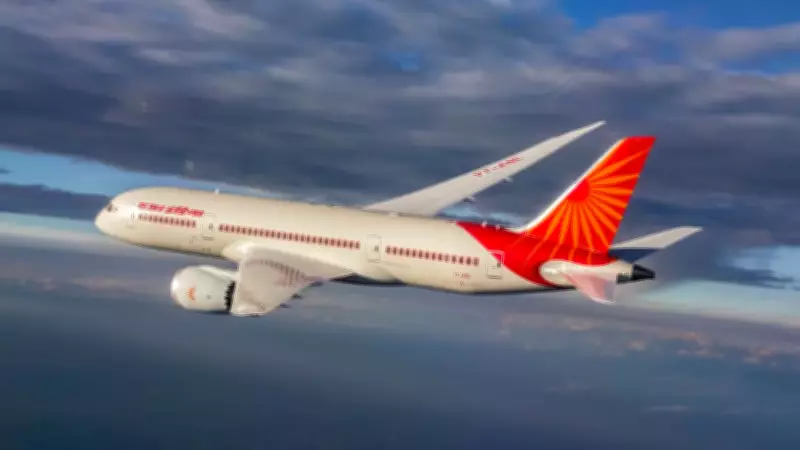
According to reports from news agencies, a Boeing 787-8 aircraft operating as Air India flight AI132 completed its journey from London Heathrow to Bengaluru on February 1. Upon landing at the destination airport, the pilot reported a possible defect in the fuel control switch, which is a critical component responsible for managing fuel flow to the aircraft's engines. Following this report, the aircraft was promptly grounded on February 2 for thorough inspections and safety assessments.
UK Civil Aviation Authority's Formal Inquiry
The UK Civil Aviation Authority (CAA) has taken decisive action by sending an official letter to Air India demanding a detailed account of the incident. The regulatory body has specifically asked for:

- A complete record of all maintenance actions performed on the aircraft
- A comprehensive root-cause analysis of the fuel switch issue
- A preventive action plan to ensure similar incidents do not occur in the future
The CAA has issued a stern warning that regulatory action may be taken against both Air India and its Boeing 787 fleet if the airline fails to provide a satisfactory response within one week. While the exact contents of the letter remain confidential, the authority's concerns about aviation safety standards are clear and unambiguous.
DGCA's Findings and Recommendations
India's Directorate General of Civil Aviation (DGCA) has also been actively investigating the matter. Their preliminary findings indicate that during engine start procedures in London, the fuel switch failed to remain in the 'run' position on two separate attempts before functioning normally on the third try. Initial checks suggested the switches were operating within normal parameters.
The DGCA has emphasized that apparently correct procedures were not followed during the incident and has directed Air India to ensure that flight crews strictly adhere to established operating protocols. This directive underscores the importance of procedural compliance in maintaining aviation safety standards.
Air India's Response and Fleet Inspections
In response to the incident, an Air India spokesperson stated that the airline has conducted precautionary re-inspections of the Fuel Control Switch (FCS) across all operational Boeing 787 aircraft in its fleet. According to the airline, no issues were identified during these comprehensive checks.
The spokesperson confirmed that Air India will respond appropriately to the UK regulator's inquiry, demonstrating the airline's commitment to addressing regulatory concerns. Meanwhile, sources indicate that the DGCA is examining whether the aircraft (registration VT-ANX) should have been grounded at London Heathrow rather than proceeding with the flight to Bengaluru, adding another layer to the ongoing investigation.
Broader Implications for Aviation Safety
This incident highlights the critical importance of rigorous maintenance protocols and strict adherence to operational procedures in the aviation industry. The involvement of multiple regulatory bodies—both in the UK and India—demonstrates the global nature of aviation safety oversight and the collaborative approach required to address potential safety concerns.
As the investigation continues, aviation authorities worldwide will be closely monitoring Air India's response and the subsequent actions taken to prevent similar occurrences. The outcome of this inquiry may influence safety protocols for Boeing 787 Dreamliner operations and set precedents for how airlines address potential technical issues during international flights.






