

Trump's Influence Currency: A New Global Bargaining Chip
In the evolving landscape of international relations, a novel form of currency is gaining prominence under US President Donald Trump's administration: influence itself. This emerging paradigm shift sees traditional diplomacy being supplanted by transactional deal-making, where political leverage becomes a tradable commodity with far-reaching implications for nations worldwide, particularly India.
The Mechanics of Influence Trading
Trump appears to be systematically trading influence—both in his personal capacity and as US president—to secure various benefits for himself and American interests. This approach represents a departure from conventional diplomatic norms, creating a new playbook for international negotiations.
The Venezuelan case illustrates this dynamic clearly. When politician María Corina Machado gifted her Nobel Peace Prize to Trump, it was widely interpreted as an exchange for his influence over Venezuela's presidential succession. Although the Nobel committee invalidated this transfer, Trump accepted the gift while maintaining his critical stance toward Machado's leadership capabilities.

Global Examples of Transactional Diplomacy
Several international incidents demonstrate how influence trading operates in practice:
- Pakistan's Nobel Nomination: Trump extended significant security and economic benefits to Pakistan in exchange for effusive praise and a Nobel Peace Prize nomination, despite the questionable democratic credentials of those making the offer.
- EU Trade Concessions: European Union negotiators accepted a markedly imbalanced trade agreement featuring zero duties on most US goods while accepting 15% tariffs on many EU exports to America. This concession came in return for US security assurances regarding Ukraine, including intelligence sharing arrangements.
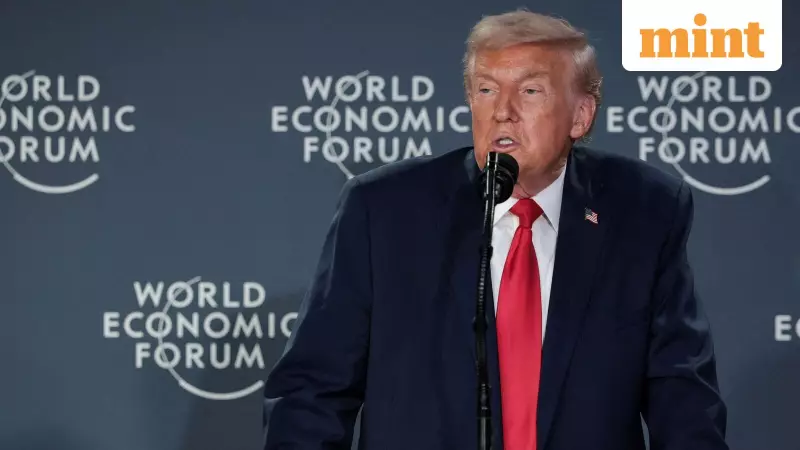
- The Greenland Episode: Trump's threats against EU members who opposed US plans to acquire Greenland, later withdrawn at Davos, demonstrated how quickly agreements can be reconsidered based on one party's changing preferences.
The Board of Peace: A New Multilateral Framework
Trump's expansion of the Gaza-centered Board of Peace to address broader international conflicts introduces another dimension to influence trading. Invitations extended to world leaders, including Indian Prime Minister Narendra Modi, come with substantial financial requirements—reportedly $1 billion in membership fees without clear usage guidelines.
This Board positions itself as an alternative to the United Nations, but with even more concentrated power. Unlike the UN Security Council's five-member veto structure, the Board grants sole veto authority to its chairman, President Trump. Participation essentially represents an influence trade: join, demonstrate allegiance, and receive protection against various threats.
French President Emmanuel Macron's refusal to participate has already triggered retaliatory threats against French wine and champagne exports, illustrating the consequences of non-compliance in this new system.
Implications for India's Strategic Autonomy
For India, this influence-trading paradigm presents significant challenges to its long-standing policy of strategic autonomy. Any hesitation or refusal to participate in US-led initiatives could potentially invite economic or diplomatic reprisals, as Trump's warning to EU representatives about Greenland demonstrated: "You can say yes, and we will be very appreciative. Or you can say no, and we will remember."
The path forward requires India to navigate carefully, balancing its diplomatic traditions with the realities of this new transactional environment. This will necessitate:

- Leveraging India's time-honored diplomatic approaches of patience and strategic negotiation
- Carefully measuring each step in bilateral engagements
- Maintaining strategic autonomy while avoiding unnecessary confrontation
- Developing counter-leverage through regional partnerships and economic strength
Broader Economic Implications
Paradoxically, Trump's influence trading may accelerate dedollarization trends despite his administration's efforts to maintain dollar dominance. The Reserve Bank of India has proposed linking central bank digital currencies (CBDCs) within BRICS nations to facilitate cross-border payments and reduce dollar dependency.
Simultaneously, approximately 40% of China's $6-trillion trade now settles in renminbi, indicating shifting currency preferences in global commerce. These developments suggest that influence trading might inadvertently undermine the very financial systems it seeks to leverage.
The Cryptocurrency Connection
An intriguing question arises regarding whether cryptocurrency volatility has contributed to this pivot toward influence trading. Cryptocurrencies have repeatedly failed as reliable currencies due to their inability to function effectively as stores of value, units of account, and mediums of exchange. Their speculative nature and structural shortcomings have diminished their appeal as alternative assets.
The emergence of official digital currencies like stablecoins and CBDCs has further marginalized unofficial crypto products. Ironically, Trump's tariff policies may have exacerbated crypto market declines, despite his apparent personal interest in this asset class.
Navigating the New Normal
As influence becomes a tradable global commodity, India faces the complex task of engaging with this reality without compromising its strategic independence. The country must draw upon its diplomatic heritage while developing innovative approaches to international engagement in this transformed landscape.
The coming years will test India's ability to maintain equilibrium between cooperation and autonomy, requiring sophisticated statecraft and careful calibration of foreign policy responses to this new era of transactional global relations.





