Trump Administration Weighs Ground Strike to Confiscate Iranian Uranium as Nuclear Threat Intensifies
In a dramatic escalation of tensions, former President Donald Trump and Israeli officials are reportedly considering unprecedented military options to address Iran's rapidly advancing nuclear capabilities. According to intelligence reports, Iran has accumulated enough highly enriched uranium to potentially construct eleven nuclear bombs within weeks, creating an urgent security crisis that demands immediate action.
Covert Operations to Neutralize Nuclear Stockpile
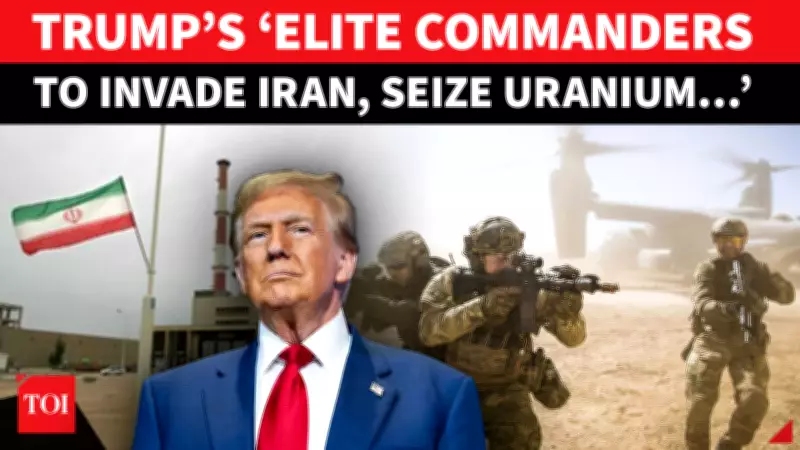
Senior officials from both the United States and Israel have engaged in high-level discussions about deploying special forces teams on covert missions to secure or neutralize Iran's nuclear materials. The proposed operations would target key Iranian facilities, including the heavily fortified underground site near Isfahan, where significant quantities of weapons-grade uranium are believed to be stored.
The strategic options under consideration include two primary approaches:

- Physical removal of the enriched uranium from Iranian territory through precision extraction operations
- On-site dilution of the nuclear materials to render them unsuitable for weapons development
These discussions come amid an ongoing air campaign by Washington and Tel Aviv against Iranian military targets, which has reportedly intensified in recent weeks as diplomatic channels have broken down completely.
Iran's Retaliatory Threats and Regional Escalation
In response to these developments, Iranian officials have issued stark warnings about potential retaliation against American interests throughout the Middle East. Tehran has explicitly threatened to "intensify attacks on U.S. targets" across the region if Washington continues its current military posture.
The situation represents a dangerous escalation in the long-standing conflict between Iran and Western powers, with both sides demonstrating increased willingness to engage in direct military confrontation. The underground facilities near Isfahan have become particular flashpoints, as they represent both Iran's most significant nuclear assets and the most challenging targets for any potential military intervention.
Security analysts note that the proposed ground operations would represent a significant departure from previous strategies, which have primarily relied on airstrikes and cyber operations to disrupt Iran's nuclear program. The physical seizure of nuclear materials would require unprecedented coordination between intelligence agencies and special operations forces, with substantial risks of triggering broader regional conflict.
As tensions continue to mount, the international community watches with growing concern about the potential for miscalculation that could lead to open warfare in one of the world's most volatile regions. The coming weeks are expected to be critical in determining whether diplomatic solutions can be revived or whether military action becomes inevitable.