Trump Issues Stark Warning to Iran Over Fragile Ceasefire
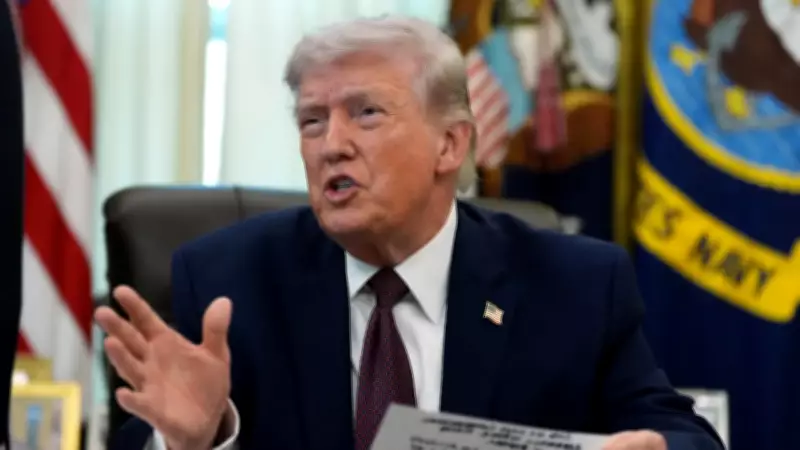
Former US President Donald Trump delivered a fresh and forceful warning to Iran on Thursday, emphasizing that American forces will stay deployed and prepared despite an ongoing ceasefire. He threatened a significantly stronger military response if the agreement is not fully honored, escalating tensions in the already volatile Middle East region.
Military Assets to Remain in Place
In a post on his social media platform Truth Social, Trump declared that US military assets would remain "in place in, and around, Iran" until what he termed a "REAL AGREEMENT" is completely implemented. He underscored this stance by warning that any violation of the terms would lead to immediate escalation. Trump stated bluntly, "If for any reason it is not… then the 'Shootin' Starts,' bigger, and better, and stronger than anyone has ever seen before."
Context of the Ceasefire and Key Demands
These remarks emerge against the backdrop of a delicate two-week ceasefire between Washington and Tehran. This truce was established after over a month of conflict in the Middle East, driven by heightened tensions over Iran's nuclear program and restrictions in the Strait of Hormuz—a crucial global oil transit route. Trump reiterated core US demands, asserting, "NO NUCLEAR WEAPONS and, the Strait of Hormuz WILL BE OPEN & SAFE."

Continued Military Preparedness Amid Diplomacy
Signaling ongoing military readiness, Trump noted that "our great Military is Loading Up and Resting," even as diplomatic efforts persist to stabilize the situation. This dual approach highlights the US strategy of maintaining pressure while engaging in talks, reflecting the complex dynamics of international relations in the region.
Uncertainty Over Truce Durability
While both sides have reportedly stepped back from immediate escalation, significant uncertainty looms over the long-term viability of the ceasefire. Persistent differences regarding the terms of a more permanent agreement continue to pose challenges, raising concerns about potential future conflicts. The situation remains fluid, with global observers closely monitoring developments for signs of breakdown or progress.