Trump Signals Military Readiness as US Prepares for Crucial Iran Negotiations
In a stark warning ahead of pivotal diplomatic discussions, former US President Donald Trump declared on Friday that American naval forces are being rearmed with advanced weaponry and could be deployed if talks with Iran do not produce a satisfactory agreement. The remarks underscore the high-stakes nature of upcoming negotiations led by Vice President JD Vance in Islamabad, Pakistan.
"We Will Be Using Them Very Effectively"
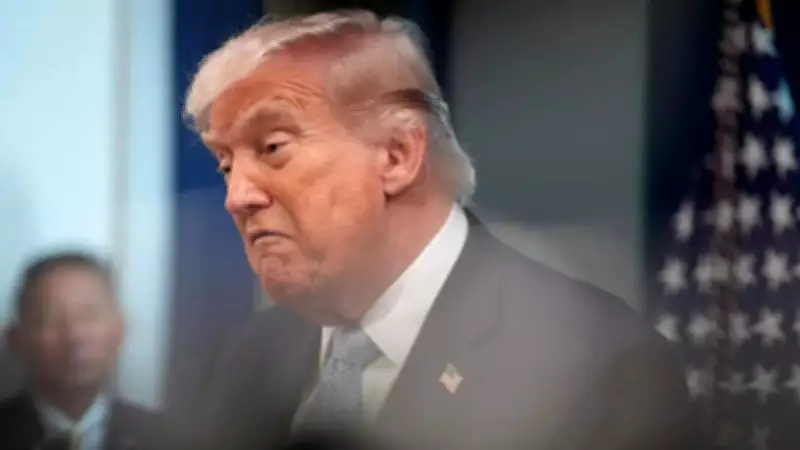
Speaking in an interview with the New York Post, Trump emphasized the military preparedness of the United States. "We have a reset going. We're loading up the ships with the best ammunition, the best weapons ever made, even better than what we did previously and we blew them apart," he stated, referencing past conflicts. He added a clear ultimatum: "And if we don’t have a deal, we will be using them, and we will be using them very effectively."
Earlier, Trump had posted a cryptic message on his Truth Social platform, writing, "WORLD’S MOST POWERFUL RESET!!!" This social media activity aligns with his vocal approach to foreign policy, setting a tense backdrop for the diplomatic efforts.

Vance Leads Delegation with Cautious Optimism
As Trump issued his warnings, Vice President JD Vance departed for Islamabad to head the American delegation in the high-stakes talks with Iran. Vance struck a measured tone, expressing hope for a positive outcome while cautioning Tehran against testing Washington's patience.
"We're going to try to have a positive negotiation," Vance said before his departure. "If the Iranians are willing to negotiate in good faith, we're certainly willing to extend the open hand. If they're going to try to play us, then they're going to find the negotiating team is not that receptive." He noted that Trump had provided "some pretty clear guidelines" for the discussions, though he did not elaborate on specifics.
Fragile Ceasefire and Iranian Demands
The talks follow a two-week ceasefire agreed after more than five weeks of conflict between the United States and Iran, but significant disagreements persist. Iran has outlined preconditions for formal negotiations, including a ceasefire in Lebanon and the release of its frozen assets.
Iranian Parliament Speaker Mohammad Bagher Ghalibaf emphasized these requirements in a post on X, stating, "Two of the measures mutually agreed upon between the parties have yet to be implemented: a ceasefire in Lebanon and the release of Iran's blocked assets prior to the commencement of negotiations. These two matters must be fulfilled before negotiations begin."
Tehran has also accused Washington of violating aspects of its 10-point proposal even before talks commenced, citing ongoing fighting in Lebanon, a drone incident over Fars province, and disputes over uranium enrichment rights. Iranian officials described these issues as part of a pattern of "deep historical distrust," warning that progress would remain challenging unless addressed.
Trump Criticizes Iran's Maritime Conduct
Adding to the tensions, Trump criticized Iran's handling of maritime traffic on Thursday, asserting it was "doing a very poor job" of allowing oil tankers to pass through key waterways. He posted on social media, "That is not the agreement we have!" This comment highlights broader concerns about compliance and trust between the two nations.
Crucial Test for Fragile Truce
The upcoming negotiations in Islamabad are viewed as a critical test of whether the fragile ceasefire can be sustained or if hostilities will escalate once more. With Trump's military posturing, Vance's diplomatic efforts, and Iran's firm demands, the outcome of these talks could significantly impact regional stability and international relations.
As both sides prepare for the discussions, the world watches closely to see if diplomacy can prevail over the threat of renewed conflict. The stakes are undeniably high, with potential ramifications for global security and economic stability.