

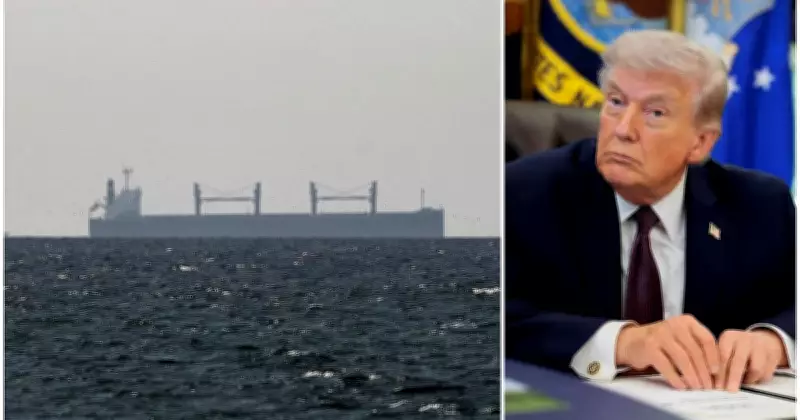
Trump Outlines US Conditions for Iran Ceasefire and Future Military Strategy
In a significant statement regarding the ongoing tensions in the Middle East, former US President Donald Trump has articulated clear conditions for a potential ceasefire with Iran. According to Trump, the United States is prepared to consider a cessation of hostilities only if the strategic Strait of Hormuz is opened for international navigation. He emphasized that until this key maritime chokepoint is accessible, military actions will continue unabated.
Immediate Withdrawal and Contingency Plans
Speaking exclusively to Reuters, Trump elaborated on the US's post-ceasefire strategy. He revealed that the United States intends to withdraw its forces from Iran "pretty quickly" once a ceasefire agreement is secured. However, this withdrawal would not signify a permanent disengagement. Trump explicitly mentioned that the US reserves the right to return for what he termed 'spot hits'—targeted military strikes—if future threats or provocations arise from Iran.
This approach underscores a shift towards a more flexible and responsive military posture, where the US maintains a capability for rapid intervention without a sustained on-ground presence. Trump's comments highlight a strategic balancing act between de-escalation and preparedness, aiming to reduce long-term troop commitments while ensuring regional security interests are protected.

Geopolitical Implications of the Strait of Hormuz Demand
The insistence on opening the Strait of Hormuz is a critical geopolitical demand. This narrow waterway is a vital conduit for global oil shipments, and its closure has historically been a point of contention, impacting international energy markets and trade routes. By linking the ceasefire to this condition, Trump is leveraging economic and strategic pressure to compel Iranian compliance, framing the issue as one of global maritime freedom versus regional aggression.
Analysts suggest that this stance could influence diplomatic negotiations, as it ties military de-escalation directly to tangible economic and logistical concessions. The US's willingness to continue "blasting" until the strait is opened signals a firm commitment to this precondition, potentially shaping the dynamics of any future peace talks.
Broader Context and Regional Stability
Trump's remarks come amid heightened tensions in the region, with ongoing conflicts and proxy wars involving Iran and its allies. The mention of 'spot hits' reflects a broader trend in modern warfare towards precision strikes and limited engagements, as opposed to large-scale invasions. This strategy could reduce collateral damage and financial costs but raises questions about long-term stability and the potential for escalation.
As the situation evolves, stakeholders including other global powers and regional actors will be closely monitoring developments. The US's conditional ceasefire offer, coupled with its flexible exit and re-engagement plan, sets a precedent for how superpowers might handle complex international crises in the future, blending military might with strategic diplomacy.






