Trump Voices Frustration as Key Western Allies Reject US Warship Escort Request
US President Donald Trump publicly expressed his frustration and disappointment on Tuesday after several crucial Western allies, including Germany, Italy, and Spain, formally declined his urgent request to deploy warships for escorting commercial vessels through the strategically vital Strait of Hormuz. The refusal comes amid heightened regional tensions following recent military escalations between the United States, Israel, and Iran.
Legal Constraints and Lack of Consultation Cited by European Partners
Several key US partners pointed to domestic legal limitations and procedural issues as primary reasons for their refusal. German Chancellor Friedrich Merz explicitly stated that Berlin lacked the necessary mandate from major international bodies such as the United Nations, the European Union, or NATO to participate in such a military operation. Merz further emphasized that Germany had not been consulted or informed prior to the outbreak of the recent conflict, a point that has reportedly strained diplomatic communications.
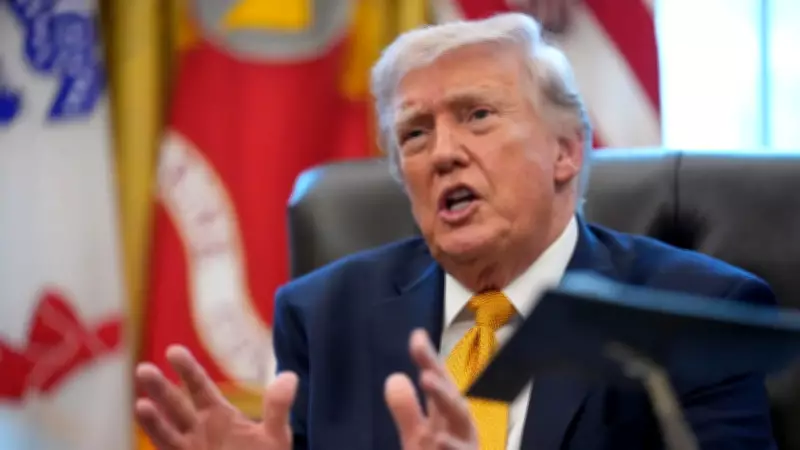
President Trump acknowledged that many countries had initially indicated a willingness to assist, but he expressed clear disappointment with some longstanding allies. “Some are very enthusiastic about it, and some aren’t. Some are countries that we’ve helped for many, many years. We’ve protected them from horrible outside sources, and they weren’t that enthusiastic. And the level of enthusiasm matters to me,” Trump stated during a press briefing at the White House.

US Stresses Self-Sufficiency While Testing Allied Commitments
Despite actively urging allies to assist with securing the Strait of Hormuz, President Trump underscored that the United States possesses the capability to manage the situation independently. “We don’t need anybody. We’re the strongest nation in the world. We have the strongest military by far in the world. We don’t need them, but it’s interesting,” he remarked, revealing that the outreach was partly intended as a strategic test of allied commitment and reliability.
When questioned about potential support from France, Trump referenced a recent conversation with French President Emmanuel Macron, stating, “I think he's gonna help. I mean, I'll let you know. I spoke to him yesterday.” Last week, Macron announced the deployment of aircraft and warships to the Middle East, eastern Mediterranean, and Red Sea, describing the move as strictly defensive in nature.
Criticism Extended to United Kingdom Over Delayed Support
President Trump also directed criticism toward the United Kingdom, claiming that London initially declined a specific request to deploy two aircraft carriers at the onset of the conflict. “Then right after the war essentially ended… I don’t need them after the war has ended and won. I needed it before the war, so I was very upset. Not upset, I was not happy with the UK,” he explained, as reported by Reuters.
Trump elaborated that his outreach efforts were partially aimed at evaluating allies’ readiness to support the United States during critical times of need. “I’m almost doing it in some cases, not because we need them, but because I want to find out how they react. Because I’ve been saying for years that if we ever did need them, they won’t be there, not all of them, but they won’t be there,” he added, noting the significant resources the US has historically invested in securing its allies.
Regional Conflict Escalation and Strait Closure
The backdrop to this diplomatic friction is a severe escalation in regional hostilities. The United States, in close coordination with Israel, launched targeted strikes on Iran on February 28, focusing on key military and administrative infrastructure. These strikes resulted in the death of Iran’s Supreme Leader, Ayatollah Ali Khamenei, along with several senior officials, delivering a devastating blow to the country’s leadership structure.

In retaliation, Iran has conducted numerous drone and missile strikes targeting Israel and US bases across the Middle East, with additional attacks directed at Gulf states. As part of its response, Tehran has effectively blocked the Strait of Hormuz, a critical maritime chokepoint for global oil shipments, thereby intensifying economic and security concerns worldwide.