7 Discontinued Cars That Automotive Enthusiasts Still Miss Today
The automotive industry evolves at a breakneck pace, driven by tightening regulations, shifting market demands, and the relentless march toward electrification. In this whirlwind of change, some beloved models inevitably fade from showroom floors. Yet, a select few refuse to be forgotten, living on in the collective memory of enthusiasts, late-night YouTube binges, and conversations that inevitably begin with, "They just don't make them like that anymore."
These were not always the fastest or most luxurious vehicles. Their enduring appeal lies in character—the distinctive way they sounded, handled, or forged a visceral connection between driver and road. Here, we explore seven discontinued cars that left a void enthusiasts still feel acutely.
Mitsubishi Lancer Evolution
Few automobiles have cultivated a cult following as fervent as the Mitsubishi Lancer Evolution. Born from the grueling world of rally racing, it packaged razor-sharp handling and turbocharged fury within the unassuming shell of a practical sedan. Its all-wheel-drive system provided tenacious grip, while its mechanical rawness made every journey feel purposeful and engaging.

In stark contrast to today's electronically filtered performance cars, the Evo demanded involvement. The steering communicated every nuance of the road, gear changes were urgent and direct, and the car seemed to actively encourage the driver to explore its limits. When Mitsubishi ceased production in 2016, it wasn't merely a model that vanished; it represented the end of an era of affordable, motorsport-inspired driving purity.
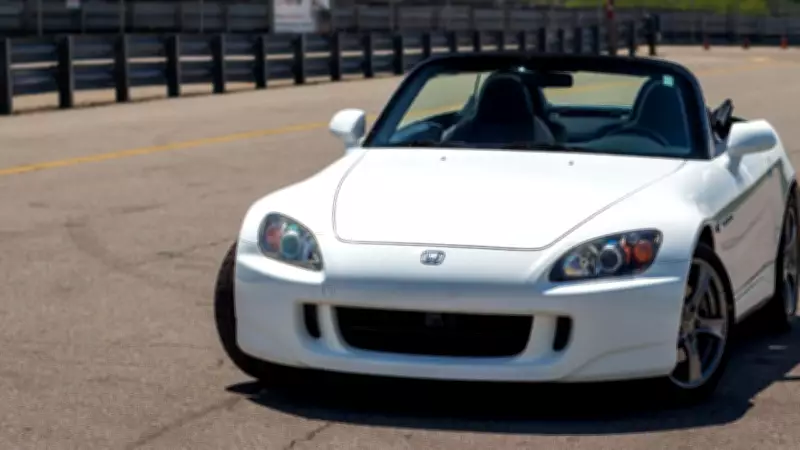
Honda S2000
The Honda S2000 endures as one of the purest driver's cars ever conceived. Its lightweight construction, near-perfect weight distribution, and a high-revving, naturally aspirated engine that screamed past 8,000 rpm created a machine that rewarded precision and finesse over brute force.
Its magic was rooted in simplicity: rear-wheel drive, a slick manual gearbox, and an analogue driving experience that modern turbocharged sports cars struggle to replicate. To this day, enthusiasts scour the market for pristine examples, a testament to the unique, unfiltered thrill that the S2000 delivered.
Ford Fiesta ST (Global Markets)
The Ford Fiesta ST stood as a pinnacle of the small, affordable hot hatch—a segment once synonymous with everyday driving joy. It masterfully demonstrated that immense horsepower wasn't a prerequisite for fun; sharp tuning and abundant personality were more than sufficient.
With playful steering, a chassis eager to rotate, and a punchy turbocharged engine, the Fiesta ST transformed mundane commutes into miniature adventures. As the industry pivots toward SUVs and electrification, the disappearance of such compact, driver-focused hatchbacks feels like the closing chapter on a particularly joyful and accessible era of performance motoring.
Chevrolet Impala (Full-Size Era)
The Chevrolet Impala embodied a quintessentially American automotive tradition: the large, comfortable sedan designed for effortless highway cruising and spacious comfort. While later iterations prioritized practicality, the nameplate carried immense cultural weight and nostalgia.
Its discontinuation signaled more than the end of a single model; it symbolized the decline of the traditional full-size sedan in the face of the SUV onslaught. For many, the Impala evokes memories of epic road trips, vast interiors, and an era where comfort and presence defined automotive luxury.
Toyota MR2
Mid-engine dynamics are typically the preserve of exotic, high-priced supercars, which is what made the Toyota MR2 so remarkable. It delivered supercar-like balance and agile handling in an attainable, lightweight package, prioritizing driver engagement and precision over excessive power.
Each generation possessed its own unique charm, but all shared the core philosophy of accessible, mid-engine fun. Its absence from the contemporary market has left a noticeable gap, as truly affordable mid-engine sports cars have become virtually extinct.

Dodge Viper
The Dodge Viper was an exercise in glorious excess and never pretended to be anything else. With its massive V10 engine, minimal electronic intervention, and intimidating performance, it stood as one of the most uncompromising sports cars ever offered to the public.
It commanded respect. Devoid of extensive safety nets or artificial refinement, the Viper was raw, mechanical power in its purest form—a chassis that richly rewarded skill while mercilessly punishing error. In today's landscape of digitalized performance, the Viper represents a vanishing breed: wild, untamed machines that felt thrillingly dangerous.
Volkswagen Beetle (Modern Generation)
The modern Volkswagen Beetle accomplished a remarkable feat: successfully resurrecting one of the most iconic automotive silhouettes in history. It blended nostalgic, emotive design with contemporary practicality, winning hearts through personality rather than performance metrics.
Driving a Beetle was a distinct experience, setting it apart from the anonymous crossovers that dominate our roads. It possessed charm and character, qualities becoming increasingly rare in an industry hyper-focused on efficiency and homogenization. When production ended in 2019, it felt like bidding farewell to one of the last mainstream cars designed primarily to evoke an emotional connection.
These seven cars, each in their own way, offered something beyond mere transportation. They provided character, connection, and joy—elements that enthusiasts continue to mourn and seek out, long after the final examples rolled off the assembly line.