

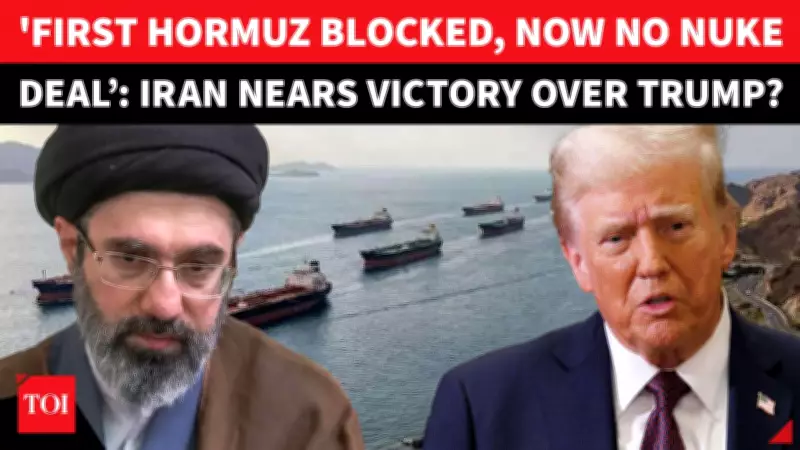
Trump Announces U.S. Military Withdrawal from Iran, Shifts Hormuz Responsibility to Allies
In a stunning development that marks a significant pivot in American foreign policy, President Donald Trump has indicated a loss of confidence in achieving a favorable outcome in the ongoing conflict with Iran. Following a recent setback in efforts to reopen the critical Strait of Hormuz, Trump has revealed plans for a complete withdrawal of U.S. forces from Iran, irrespective of whether a peace agreement is reached with Tehran.
Oval Office Briefing Reveals Two- to Three-Week Withdrawal Timeline
During a high-stakes Oval Office briefing, President Trump disclosed that the United States will terminate its military operations in Iran within a remarkably short timeframe of just two to three weeks. This announcement signals a dramatic departure from previous strategies and underscores a growing sense of urgency in Washington. The decision to withdraw regardless of a deal with Iran suggests a fundamental reassessment of U.S. objectives and capabilities in the region, potentially leaving diplomatic efforts in limbo.
Strait of Hormuz Control Handed Over to Dependent Nations
In a related move that has sent shockwaves through international circles, Trump declared that responsibility for the Strait of Hormuz—a vital maritime chokepoint for global oil shipments—will be transferred to the countries that rely on it for their energy and trade needs. Specifically, he directed allies such as France and China to "fend for themselves" in securing the waterway. This shift places unprecedented pressure on these nations to assume greater security roles, potentially altering geopolitical dynamics in the Middle East.

Implications for Regional Stability and Global Oil Markets
The combined announcements of a swift military exit and the abdication of Hormuz stewardship carry profound implications:
- Regional Power Vacuum: The U.S. withdrawal could create a security vacuum in Iran, potentially emboldening non-state actors or rival powers to fill the void.
- Alliance Strain: Trump's directive for allies to manage the Strait of Hormuz independently may strain transatlantic and international partnerships, testing diplomatic resilience.
- Oil Price Volatility: With the strait's security now in question, global oil markets face increased uncertainty, risking price spikes and supply disruptions.
- Iran's Strategic Position: Tehran may perceive the U.S. exit as a victory, potentially hardening its stance in future negotiations or conflicts.
This policy reversal comes amid a backdrop of escalating tensions, including recent Houthi strikes in Israel and Hezbollah rocket attacks, highlighting the complex web of regional conflicts that the U.S. is now stepping back from. As the timeline for withdrawal accelerates, the world watches to see how this unprecedented shift will reshape the Middle East's security architecture and America's role in it.






