

Trump's Peace Board, UAE President's Flying Visit, and Bangladesh Polls: What It Means for India
In a rapidly evolving geopolitical landscape, recent developments involving former US President Donald Trump's peace initiatives, the UAE President's diplomatic visit, and the upcoming elections in Bangladesh are creating significant ripples that directly impact India's strategic interests. These events collectively highlight the complex interplay of global and regional forces that New Delhi must navigate to safeguard its national security and economic aspirations.
Trump's Peace Board and Its Regional Implications
The formation of a peace board by Donald Trump, aimed at mediating conflicts in various hotspots, introduces a new variable into India's foreign policy calculus. This initiative, while primarily focused on global peace efforts, could indirectly influence South Asian dynamics by altering US engagement patterns in the region. India, as a key player in maintaining stability, must assess how Trump's board might address issues like cross-border terrorism or bilateral disputes, potentially affecting India's longstanding positions and alliances.
For India, this development underscores the need for proactive diplomacy to ensure that any peace efforts align with its core interests, such as counter-terrorism and regional cooperation. The board's activities could also impact India's relations with neighboring countries, requiring careful monitoring and strategic adjustments to maintain a balanced approach in international forums.

UAE President's Flying Visit: Strengthening Bilateral Ties
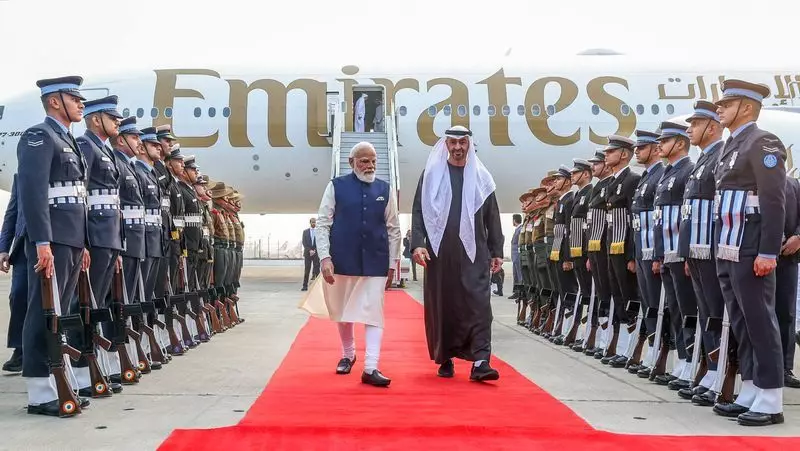
The recent flying visit by the UAE President to India marks a crucial moment in bolstering the already robust partnership between the two nations. This high-level engagement is expected to enhance cooperation in areas like trade, investment, and security, which are vital for India's economic growth and regional influence. The visit likely focuses on deepening strategic dialogues, with discussions on energy security, counter-terrorism, and joint initiatives in technology and infrastructure.
From India's perspective, this visit reinforces the importance of the Gulf region as a key partner in its 'Look West' policy, aimed at expanding economic and diplomatic footprints. It also provides an opportunity to coordinate on regional issues, such as stability in the Middle East, which can have spillover effects on South Asia. The strengthened ties with the UAE could serve as a model for India's engagements with other Gulf nations, fostering a more integrated approach to foreign policy.
Bangladesh Elections: Navigating Regional Politics
The upcoming elections in Bangladesh are a critical event for India, given the close historical, cultural, and economic ties between the two countries. The outcome of these polls will significantly influence bilateral relations, affecting issues like border management, trade agreements, and regional security cooperation. India has a vested interest in a stable and democratic Bangladesh, as it contributes to peace and prosperity in the broader South Asian region.
India must carefully observe the electoral process and its aftermath to ensure that its interests are protected, particularly in areas such as:
- Cross-border connectivity projects that enhance trade and people-to-people links.
- Joint efforts to combat terrorism and extremism, which threaten regional stability.
- Environmental cooperation, including shared river management and climate change initiatives.
Any political shifts in Bangladesh could necessitate adjustments in India's foreign policy, making it imperative for New Delhi to engage with all stakeholders to foster a constructive relationship post-elections.
Overall Impact on India's Strategic Outlook
Collectively, these developments underscore the multifaceted challenges and opportunities facing India in the international arena. The convergence of Trump's peace board, the UAE President's visit, and Bangladesh's elections highlights the need for a nuanced and agile foreign policy that can adapt to changing global dynamics. India's response will likely involve:

- Enhancing diplomatic outreach to key partners like the UAE to secure economic and strategic advantages.
- Monitoring US-led peace initiatives to safeguard regional interests and prevent any adverse impacts on South Asia.
- Supporting democratic processes in neighboring countries like Bangladesh to promote stability and mutual cooperation.
By proactively engaging with these events, India can strengthen its position as a regional leader and global player, ensuring that its national interests are advanced in a complex and interconnected world.





