

Trump Excludes Ground Troop Deployment in Iran Amid Ongoing Tensions
In a significant statement on Thursday, US President Donald Trump explicitly ruled out the deployment of American ground troops in Iran. This announcement comes several weeks after the United States, in coordination with Israel, launched extensive missile and air strikes targeting Iranian positions.
"I'm Not Putting Troops": Trump's Candid Remarks
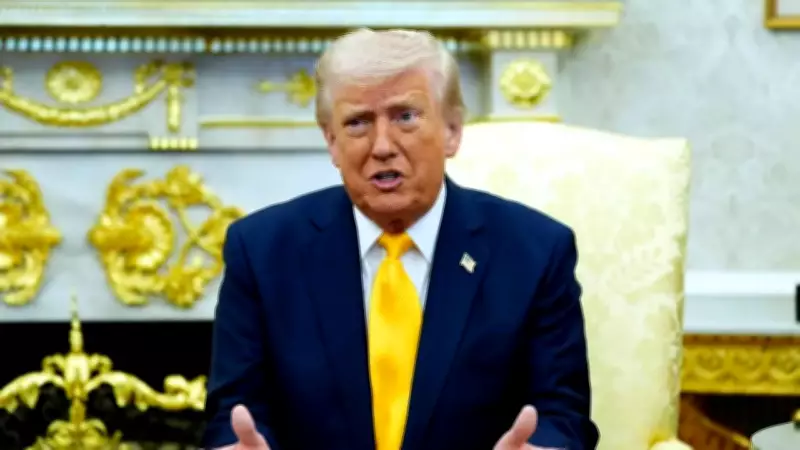
During a meeting with Japanese Prime Minister Sanae Takaichi, President Trump addressed reporters with a characteristically direct tone. "If I were, I certainly wouldn't tell you. But I'm not putting troops," he declared, dismissing any speculation about potential ground operations. He further elaborated on his strategic approach, adding, "If I were, I certainly would not tell you. We will do whatever is necessary to keep the price low." This cryptic comment suggests a focus on minimizing escalation while maintaining pressure.
Advice to Israel and Assessment of Iran's Leadership
President Trump also revealed that he had personally cautioned Israeli Prime Minister Benjamin Netanyahu against targeting energy infrastructure in the region. "I told Netanyahu not to attack energy fields," he stated, highlighting concerns over potential disruptions to global energy supplies and broader economic stability.

In a bold assertion regarding Iran's internal situation, Trump claimed that the country's leadership has been severely undermined. "They are looking for new leaders again" and "Iran leadership is gone," he proclaimed, indicating a belief that recent military actions have critically weakened Tehran's governing structure. This assessment, while not independently verified, reflects the administration's perspective on the effectiveness of their strategic maneuvers.
Context of Regional Military Actions
The backdrop to these statements includes recent large-scale military engagements. The United States and Israel have conducted coordinated strikes on Iranian missile sites near the strategically vital Strait of Hormuz. In retaliation, Iran has launched attacks, including the use of cluster bombs, on Tel Aviv. These exchanges have heightened tensions across the Middle East, with Gulf nations like Saudi Arabia warning of military retaliation following a series of attacks in the region.
Additionally, amidst the geopolitical turmoil, several Gulf countries including the UAE, Saudi Arabia, Kuwait, Qatar, and Bahrain have announced the official start date for Eid Al Fitr in 2026, a reminder of the cultural and religious fabric interwoven with the ongoing conflicts.
The situation remains fluid, with President Trump's remarks underscoring a continued US commitment to avoiding direct ground involvement while supporting allied actions and asserting dominance through air and missile capabilities. The international community watches closely as these developments unfold, impacting global security and diplomatic relations.






