

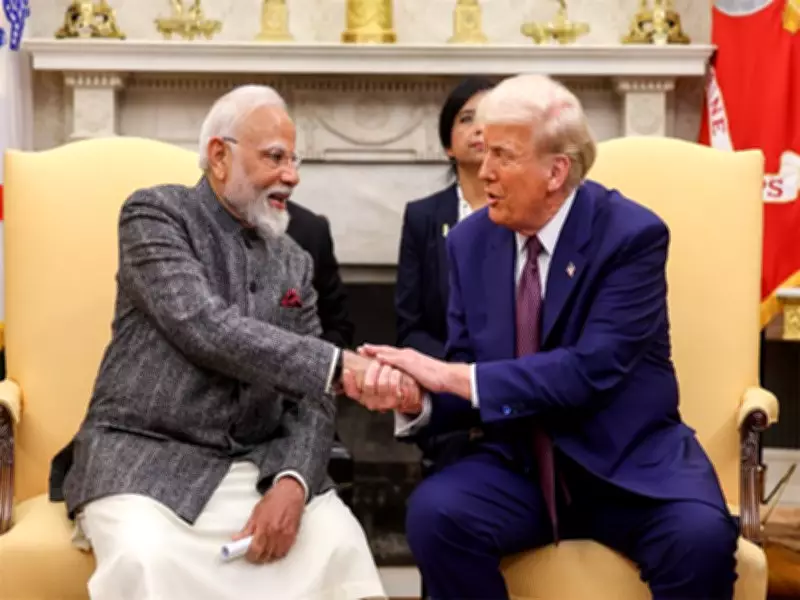
US Lifts Tariff Penalty on India Following Strategic Trade and Security Agreement
In a significant diplomatic and economic development, US President Donald Trump has officially removed the additional 25 percent tariff that was imposed on Indian imports. This decision comes after New Delhi committed to ceasing direct or indirect purchases of crude oil from Russia and agreed to enhance defense collaboration with Washington over the coming ten years.
Background of the Tariff Imposition and National Security Concerns
The tariff penalty was initially levied in August 2025 under US emergency economic powers legislation, which permits the President to implement trade actions in response to perceived threats to national security and foreign policy. At the time, the White House cited concerns related to India's continued imports of Russian oil following Moscow's invasion of Ukraine as the primary justification for the measure.
According to an executive order issued by the Trump administration, the tariff had been imposed to address what was described as a national emergency declared by the United States in 2022 over Russia's aggressive actions against Ukraine. The order emphasized that the duty was a response to India's trade practices that were viewed as undermining US strategic interests.

India's Commitments Leading to Tariff Removal
The revocation of the tariff is based on India's pledge to take "significant steps" to align with US national security objectives. Key commitments from New Delhi include:
- Halting Russian Oil Imports: India has agreed to stop purchasing crude oil from Russia, either directly or through indirect channels, which addresses a core concern of the US regarding energy trade with Moscow.
- Increasing US Energy Purchases: As part of the deal, India will boost its acquisitions of energy products from the United States, fostering greater economic ties between the two nations.
- Expanding Defense Cooperation: A major component of the agreement involves strengthening defense collaboration with Washington over the next decade, which is expected to include joint military exercises, technology transfers, and strategic partnerships.
In the executive order, President Trump stated that India has "aligned sufficiently with the United States on national security, foreign policy and economic matters." He further noted that removing the additional duty was "necessary and appropriate" to effectively address the ongoing national emergency related to Russia's actions.
Implications for India-US Relations and Trade Dynamics
Officials from both countries have highlighted that the rollback of the tariff penalty is anticipated to alleviate pressure on Indian exports to the US market. This move marks a notable shift in Washington's approach towards New Delhi, reflecting broader efforts to fortify strategic and economic bonds between the two democracies.
The tariff removal coincides with the announcement of an interim trade agreement aimed at expanding market access and enhancing supply chain cooperation. This agreement is part of a larger initiative to deepen bilateral trade relations and create a more resilient economic partnership.
Experts suggest that this development could pave the way for increased trade flows and investment opportunities, benefiting sectors such as manufacturing, technology, and defense in both nations. The strengthened ties are also seen as a counterbalance to geopolitical challenges in the Indo-Pacific region.
Overall, the lifting of the 25 percent tariff underscores a renewed commitment to collaboration between India and the United States, setting a positive tone for future diplomatic and economic engagements.






