Trump Hints at Imminent Iran Talks as Israel and Lebanon Launch Direct Negotiations
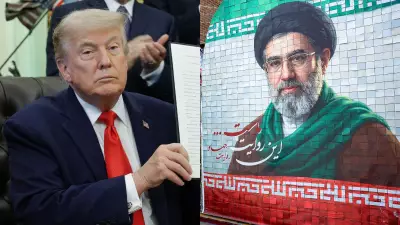
In a significant development for Middle East diplomacy, US President Donald Trump announced on Tuesday that fresh peace talks with Iran could resume "over the next two days". This statement comes alongside a parallel breakthrough, with Israel and Lebanon agreeing to launch direct negotiations, marking coordinated diplomatic movement on two critical fronts in the region's ongoing conflicts.
Potential Iran Talks Amidst Weekend Setback
President Trump suggested that a new round of discussions with Tehran might take place in Pakistan in the very near future. "You should stay there, really, because something could be happening over the next two days, and we're more inclined to go there," he told The New York Post. This optimism persists despite the collapse of weekend talks in Islamabad, which prompted Washington to impose a blockade on Iranian ports.
The failed Islamabad negotiations raised serious doubts about the survival of a two-week ceasefire that still has approximately one week remaining. The conflict, which began on February 28, has severely disrupted global energy flows, with Iran effectively shutting the Strait of Hormuz—a critical maritime route for oil and gas shipments worldwide.

Despite these tensions, signs of renewed engagement suggest that stabilization efforts in the volatile region are still actively underway. Iranian officials have reportedly reached out seeking a deal, even as hostilities remain high after more than six weeks of fighting.
Israel-Lebanon Negotiations Mark Historic Breakthrough
In a separate but equally significant diplomatic development, Israel and Lebanon have agreed to begin direct negotiations following talks mediated by the United States in Washington. US State Department spokesperson Tommy Pigott confirmed, "The participants held productive discussions on steps toward launching direct negotiations between Israel and Lebanon. All sides agreed to launch direct negotiations at a mutually agreed time and venue."
The meeting, which was facilitated by Secretary of State Marco Rubio and lasted over two hours, represents a rare diplomatic breakthrough between two nations that have been formally at war for decades. This development comes after Lebanon was drawn into the broader regional conflict on March 2, when Hezbollah—an Iran-backed militant group—launched attacks on Israel in support of Tehran.
The subsequent escalation triggered Israeli military strikes and a ground offensive, resulting in tragic consequences:
- Over 2,000 people killed
- More than one million individuals displaced
- Significant humanitarian crisis in affected areas
The dual diplomatic movements—potential Iran talks and Israel-Lebanon negotiations—demonstrate ongoing international efforts to address the complex web of conflicts in the Middle East. While challenges remain substantial, these developments offer cautious hope for de-escalation and potential pathways toward regional stability.