Western Unity Tested as Trump Administration Rejects EU Oil Sanctions Proposal Against Russia
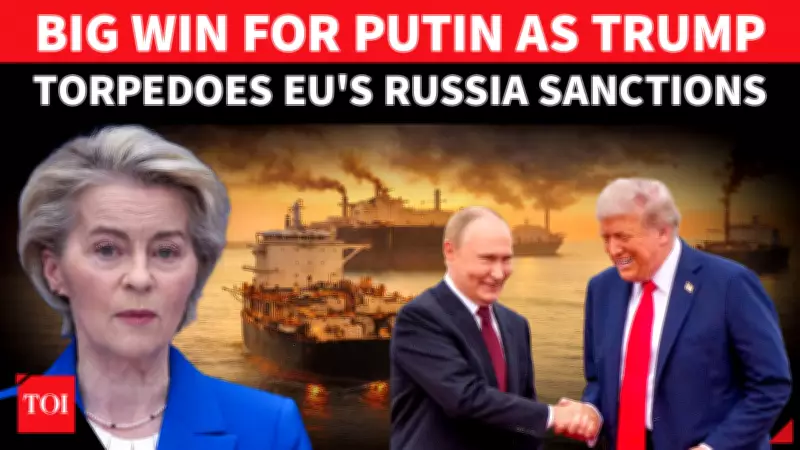
In a significant development that has raised serious questions about the cohesion of Western alliances, the European Union has failed to secure crucial support from the United States and G7 nations for imposing a comprehensive blockade on Russian oil supplies. This rejection comes amid the ongoing Russia-Ukraine conflict and represents what some analysts are calling a strategic victory for Moscow without direct military confrontation.
Details of the Proposed Sanctions and the American Rejection
According to diplomatic sources based in Brussels and reported by Russian media outlets, the European Union had presented an ambitious plan to completely prohibit European businesses from transporting Russian oil. The proposal went much further than previous measures, aiming to cut off all maintenance, supply, financing, and insurance services to tankers carrying Russian oil regardless of the flags they fly.
The Trump administration in Washington D.C. formally refused to endorse this proposal, effectively blocking what would have been one of the most severe economic measures against Russia since the invasion of Ukraine began. The G7 nations, following the American lead, also declined to support the European initiative, creating a notable rift in what had previously been presented as a united Western front against Russian aggression.

Implications for European Energy Security and Russian Economy
This development has immediate and far-reaching consequences for multiple stakeholders. For European nations, many of which still rely on Russian energy imports despite efforts to diversify, the failure to implement these sanctions means continued economic exposure to Moscow. The proposed measures would have significantly disrupted Russian oil exports by targeting the global shipping infrastructure that facilitates these transactions.
For Russia, the American and G7 refusal represents a substantial diplomatic victory. The Kremlin can continue to generate crucial revenue from oil exports without facing the additional pressure that comprehensive European sanctions would have created. This comes at a time when Russia's military operations in Ukraine continue to strain its economy and international standing.
Broader Geopolitical Context and Future Implications
The rejection of the EU's oil sanctions proposal occurs against a backdrop of shifting geopolitical alliances and domestic political considerations in Western nations. The Trump administration's decision reflects a different approach to Russia than that of previous U.S. administrations, prioritizing what it views as American economic interests over unified Western pressure on Moscow.
This development raises several critical questions about the future of Western coordination on Russia policy:
- Will European nations pursue unilateral sanctions without American support?
- How will this affect Ukraine's military and diplomatic position?
- What does this mean for future Western responses to Russian actions?
- How will energy markets and global shipping adapt to this new reality?
The failure to implement these sanctions represents more than just a policy disagreement—it signals potential fragmentation in the Western alliance that has coordinated responses to Russian aggression since 2022. As the conflict in Ukraine continues with no clear resolution in sight, this development adds another layer of complexity to an already volatile international situation.