

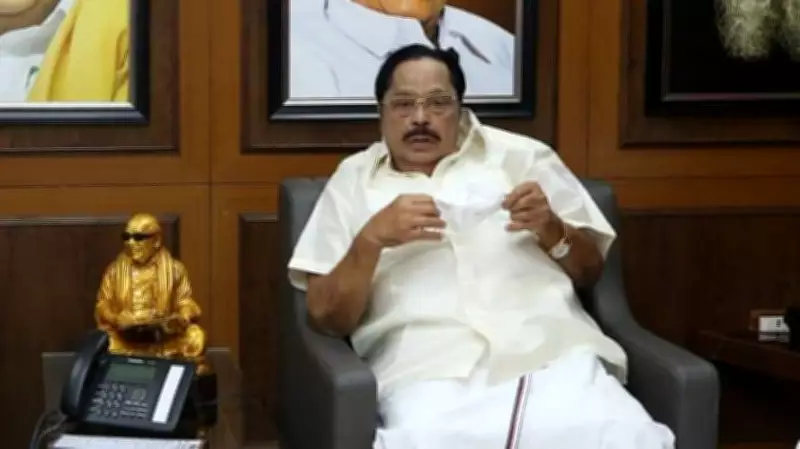
In a significant development concerning inter-state water sharing, the Tamil Nadu government has made a formal appeal to the central government for the constitution of a dedicated tribunal to address the ongoing Pennaiyar river dispute with neighboring Karnataka. This move underscores the escalating tensions over water resources in the southern region of India.
Background of the Pennaiyar River Conflict
The roots of this dispute trace back several years, with Tamil Nadu consistently raising objections to Karnataka's activities along the Pennaiyar river. According to official statements from Tamil Nadu Water Resources Minister Durai Murugan, the state government initially challenged Karnataka's construction of check dams and various diversion works on the river in 2018. These structures, Tamil Nadu argues, have significantly impacted the river's flow into its territory, affecting agriculture, drinking water supply, and overall water security.
Legal and Administrative Steps Taken
The Tamil Nadu administration has pursued multiple avenues to resolve this contentious issue. After the initial challenge in 2018, the matter has seen various legal and administrative proceedings. Minister Durai Murugan emphasized in his recent statement that despite these efforts, a satisfactory resolution has not been achieved, necessitating the call for a specialized tribunal under the central government's authority.

The request for tribunal formation is based on the provisions of the Inter-State River Water Disputes Act, which empowers the central government to establish such bodies when negotiations between states fail to yield results. Tamil Nadu contends that Karnataka's projects on the Pennaiyar river violate existing agreements and equitable water sharing principles, warranting judicial intervention at the national level.
Implications for Water Resource Management
This dispute highlights broader challenges in managing shared water resources in India, particularly in water-scarce regions. The Pennaiyar river, which originates in Karnataka and flows through Tamil Nadu before emptying into the Bay of Bengal, is a vital source for irrigation and domestic use in both states. Unilateral actions by either state can have severe repercussions on the other's water availability, leading to agricultural distress and potential socio-economic conflicts.
Key aspects of the dispute include:
- The specific locations and capacities of check dams constructed by Karnataka.
- The volume of water diverted from the river's natural course.
- Historical water sharing agreements and their current applicability.
- Environmental impacts on the river's ecosystem and downstream areas.
Next Steps and Potential Outcomes
With Tamil Nadu's formal request now on the table, the central government faces the task of evaluating the merits of constituting a tribunal. This process typically involves:
- Reviewing the technical and legal submissions from both states.
- Assessing whether all other dispute resolution mechanisms have been exhausted.
- Consulting with relevant ministries and water resource experts.
- Making a decision within the framework of national water policies and interstate harmony.
The establishment of a tribunal would mark a critical phase in this long-standing dispute, potentially leading to binding decisions on water allocation and project regulations. However, it could also prolong the conflict through extended legal proceedings. Stakeholders, including farmers, environmental groups, and local communities in both states, await developments with keen interest, as the outcome will directly affect their water security and livelihoods.
As India continues to grapple with water scarcity and interstate resource conflicts, the Pennaiyar river case serves as a reminder of the need for robust, cooperative water governance frameworks that balance regional needs with national interests.






