Tarique Rahman to Assume Role as Bangladesh Prime Minister
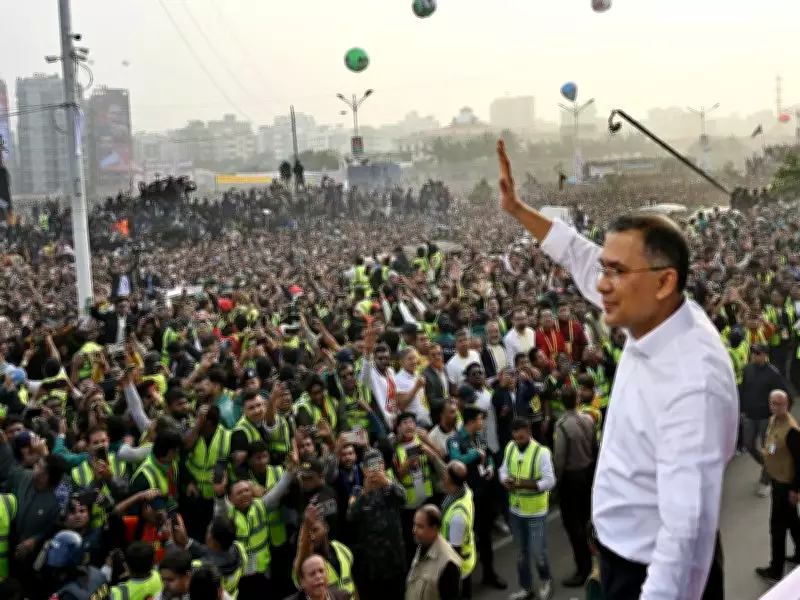
In a major political development, Tarique Rahman, the chairman of the Bangladesh Nationalist Party (BNP), is scheduled to take the oath of office as the Prime Minister of Bangladesh today. This event signifies a pivotal moment in Bangladesh's political landscape, with Rahman stepping into the leadership role amid high expectations and challenges.
Background and Political Significance
Tarique Rahman, a prominent figure in Bangladeshi politics, has been at the helm of the BNP, one of the country's leading political parties. His ascension to the prime ministership comes after a period of intense political maneuvering and electoral processes. The swearing-in ceremony is expected to be attended by key political leaders, diplomats, and dignitaries, underscoring its importance on both national and international stages.
Rahman's leadership is anticipated to bring new policies and directions for Bangladesh, focusing on economic growth, social welfare, and diplomatic relations. As the son of former President Ziaur Rahman, he carries a legacy that resonates with many supporters, while also facing scrutiny from opponents.

Implications for Bangladesh and Beyond
The transition to Rahman's premiership is likely to impact various sectors in Bangladesh, including governance, economy, and foreign affairs. Observers are keenly watching how his administration will address ongoing issues such as poverty reduction, infrastructure development, and regional stability.
Key points to note:- Tarique Rahman's oath-taking marks a shift in Bangladesh's political dynamics.
- The BNP's policies under his leadership will shape the country's future trajectory.
- International relations, particularly with neighboring countries and global powers, may see adjustments.
As Bangladesh embarks on this new chapter, the global community is monitoring the developments closely, given the country's strategic importance in South Asia. The swearing-in ceremony today is not just a formal event but a symbol of democratic processes and political evolution in the region.