

Former Maoist Insurgents in Bijapur Embrace Education with Historic Literacy Exam
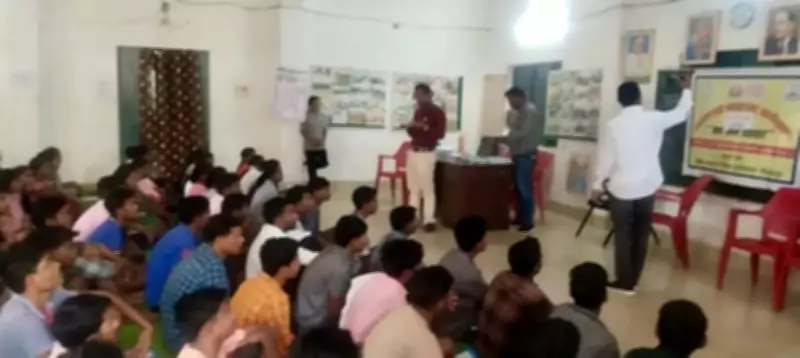
In a quiet classroom in Bijapur, Chhattisgarh, far removed from the dense forests that once defined their existence, 85 surrendered Maoists sat down this week to write an exam, a momentous occasion for most as it marked their first formal academic test in their lives. For years, these men and women had lived in the shadows of insurgency, completely cut off from formal education and the ordinary rhythms of daily life. On Friday, however, they held pens instead of weapons, attempting a basic literacy assessment after completing training under the ‘Ullas Nav Bharat Saksharta Programme’.
A Symbolic Shift from Violence to Learning
Officials describe this development as both symbolic and profoundly real, given that Bijapur has long been one of the worst Maoist-affected districts in India. The transformation is significant because the very individuals who were once part of the insurgency are now becoming examples of change and rehabilitation. “These are individuals who never had the chance to attend school. Now they are learning to read, write, and rebuild their lives,” stated Bijapur Superintendent of Police Jitendra Yadav.
The literacy program is aligned with the National Education Policy (NEP) 2020 and forms a crucial component of Chhattisgarh’s broader surrender and rehabilitation policy. Beyond providing financial assistance and livelihood training, the state has increasingly focused on education as a key tool for reintegrating former insurgents back into society.

Visible Transformation in Training Centers
Across various training centers in Bijapur, the change is visibly unfolding. Former cadres, ranging from those in their 20s to much older individuals, diligently attend lessons, tracing alphabets, forming words, and gradually building confidence. Police officials emphasize that the core objective is to replace narratives of violence with opportunities for growth and stability.
“The aim is to take misguided youth away from the path of violence and put a pen in their hands,” explained SP Yadav. He highlighted that before this current batch, 272 surrendered Maoist cadres had already completed basic literacy training, with many now leading relatively stable lives as workers, farmers, or small entrepreneurs, successfully blending back into the community.
Broader Implications for Rehabilitation and Peace
Bijapur police continue to actively appeal to those still entrenched in Maoist ranks to surrender, promising comprehensive support through rehabilitation schemes that extend beyond monetary aid to include education and skill development. In the Bastar region, where stories have long been dominated by conflict, scenes of former insurgents writing exams are quietly scripting a hopeful and different future, underscoring the potential of education to foster lasting peace and societal integration.






