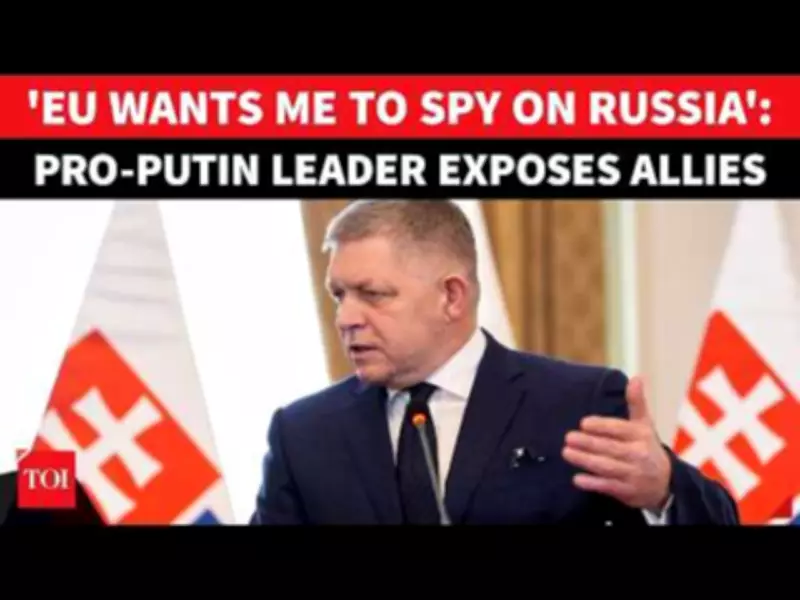
Slovak Prime Minister Robert Fico Faces EU Backlash Over Meetings with Putin and Xi
Slovak Prime Minister Robert Fico is currently embroiled in a significant controversy following his recent meetings with Russian President Vladimir Putin and Chinese President Xi Jinping. The Slovak leader has defended these diplomatic engagements, asserting that maintaining dialogue with Moscow is crucial for achieving a peaceful resolution to the ongoing conflict in Ukraine. However, this stance has sparked a wave of criticism from European Union leaders, who argue that Fico's outreach undermines the bloc's unified position and solidarity.
Fico's Defense and the Geopolitical Divide
In a bold statement, Fico emphasized that communication with Russia is essential to de-escalate tensions and work towards ending the war in Ukraine. He highlighted the importance of diplomatic channels in addressing complex international crises. Despite this, critics within the EU have warned that such actions could weaken the collective stance against Russian aggression and create divisions within the alliance. The situation has placed Slovakia at the center of a growing geopolitical rift, with Brussels, Washington, Moscow, and Beijing all vying for influence in Central Europe.
U.S. Engagement and Regional Tensions
Amidst this backdrop, U.S. Secretary of State Marco Rubio arrived in Bratislava to reinforce ties with Central European nations following the Munich Security Conference. Rubio's visit underscores Washington's commitment to strengthening alliances in the region, particularly as tensions rise over issues such as Ukraine funding and foreign policy direction. The presence of high-level U.S. officials highlights the strategic importance of Slovakia and its neighbors in the broader geopolitical landscape.

Implications for EU Unity and International Relations
The controversy surrounding Fico's meetings raises critical questions about the future of EU unity and its approach to global conflicts. As Slovakia navigates its foreign policy, the nation finds itself balancing relationships with major powers while adhering to EU principles. This delicate balancing act could have far-reaching implications for regional stability and international diplomacy. The ongoing debate reflects deeper divisions within Europe over how to engage with adversaries and manage complex geopolitical challenges.
In summary, Slovak Prime Minister Robert Fico's defense of his meetings with Russian and Chinese leaders has ignited a fierce debate within the European Union. With U.S. Secretary of State Marco Rubio reinforcing ties in Central Europe, Slovakia is positioned at a critical juncture in global politics. The outcome of this diplomatic friction will likely influence the trajectory of the Ukraine war and the cohesion of international alliances in the coming months.