Singapore Envoy's South Indian Food Post Wins Hearts Online, Highlights Cultural Bonds
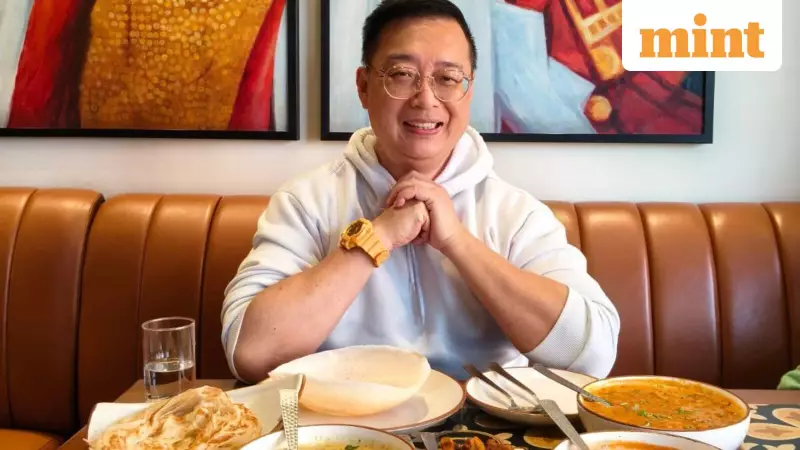
Singapore's High Commissioner to India, Simon Wong, has captured the hearts of netizens over the weekend by sharing his fondness for South Indian cuisine, describing it as a taste of home. The diplomat took to social media platform X to post photographs of a traditional South Indian meal, with appam prominently featured at the centre of the spread.
Diplomat's Social Media Post Sparks Widespread Engagement
Alongside the images, Mr Wong wrote, "Namaste India. Getting my weekend fill of South Indian food — appam. Can you name the dishes? Taste like home." The post quickly resonated with social media users across India and internationally, amassing thousands of views within hours. Users responded with enthusiasm, many attempting to identify the various dishes on the plate while others shared their personal memories and connections to South Indian culinary traditions.
Appam: A Culinary Staple with Regional and International Appeal
Appam — renowned for its soft, spongy centre and crisp edges — is a staple food in Kerala and parts of Tamil Nadu. It is typically served with coconut-based curries or stews, offering a delightful combination of textures and flavours. Over the decades, this dish has gained significant popularity across Southeast Asia, including in Singapore, reflecting deep-rooted culinary connections that have been shaped by historical migration patterns and shared cultural heritage between the regions.
User Reactions Highlight Cultural Similarities and Hospitality
Mr Wong's remark about the meal tasting like home struck a chord with many followers, underscoring how food often serves as a powerful bridge between diverse cultures. Several users commented on the noticeable similarities between South Indian and Southeast Asian flavours, while others welcomed the envoy's evident comfort and appreciation for Indian cuisine.
One user wrote, "Good old Kerala dishes. Chicken stew is the highlight." Another responded, "Good to see that you are visiting and exploring different states and their cuisines and cultures. Also, come to Odisha, India's best-kept secret. The hospitality, food, and culture will surely amaze you." A third user noted, "Good places for appam in Singapore too... my favourite breakfast after a morning walk."
Not the First Time: Envoy's Previous Food Posts Also Garnered Attention
This is not the first instance where the Singapore envoy's food-related posts have captured public attention. Earlier this year, when an unseasonal spell of rain and thunderstorms brought the Delhi-NCR region its first showers of 2026, Mr Wong marked the occasion with another distinctly Indian ritual. He shared pictures from his rainy-day routine, enjoying chai and pakodas — widely regarded as comfort food during the monsoon season.
In that post, he wrote, "Celebrating first #baarish in 2026 with #chai #pakora. Come join me?" alongside images showing a steaming cup of tea, freshly fried snacks, and a rain-soaked lawn. These posts have played a significant role in humanising diplomatic engagement, with numerous users praising Mr Wong for embracing everyday Indian experiences.
Food and Culture as Tools of Diplomacy
Mr Wong's social media presence, characterised by his observations on food, weather, and cultural practices, continues to draw warm and positive responses from followers. This reinforces the idea that small, relatable moments — such as sharing a meal or enjoying seasonal traditions — can resonate far beyond the formal realms of official diplomacy, fostering greater understanding and connection between nations.