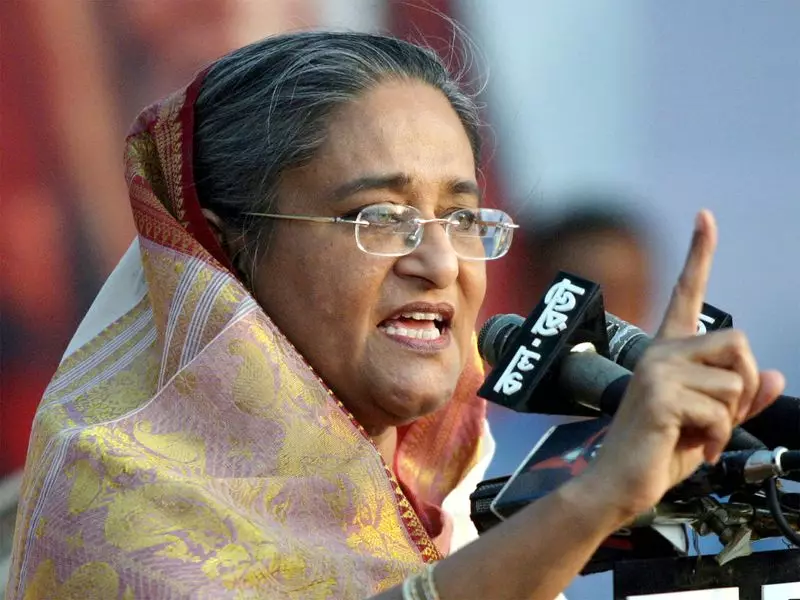
Bangladesh Prime Minister Sheikh Hasina has pointed to two specific domestic actors for creating a period of significant strain in her country's historically close ties with India. In a recent address, she squarely blamed Nobel Peace Prize laureate Muhammad Yunus and a past interim government for orchestrating a campaign that soured the bilateral relationship.
Prime Minister's Direct Accusations
Speaking at an event in Dhaka, Prime Minister Hasina did not mince words. She asserted that the friction in Bangladesh-India relations was "entirely of Yunus's making." She elaborated by claiming that the microfinance pioneer, along with a supportive caretaker administration, actively worked to turn public sentiment against India.
Hasina referenced a specific historical period, implicating the interim government that oversaw the country in 2007-2008. This unelected administration, she alleged, collaborated with Yunus to launch a propaganda drive. The core of this campaign, according to the Prime Minister, was to paint India as a detrimental force for Bangladesh, thereby creating an atmosphere of distrust and tension between the two neighbors.

The Context of the Alleged Campaign
The timeline mentioned by Sheikh Hasina is crucial. The 2007-2008 period was a time of political turmoil in Bangladesh, following the cancellation of elections and the declaration of a state of emergency. An army-backed caretaker government, led by Fakhruddin Ahmed, assumed control.
It was during this phase, Hasina claims, that the efforts to malign India gained traction. While she did not provide exhaustive details of the propaganda, her statement suggests a coordinated effort to influence domestic and potentially international perception. The Prime Minister's remarks highlight her long-standing view that internal political actors have used foreign policy, particularly relations with India, as a tool for domestic political gains.
Implications and Current State of Ties
Sheikh Hasina's public airing of these grievances serves multiple purposes. Firstly, it reinforces her government's narrative of overcoming external and internal conspiracies. Secondly, it seeks to solidify the credit for repairing and strengthening the bilateral partnership with India under her successive tenures.
The relationship between Dhaka and New Delhi is now described as being in a robust state, characterized by deepening cooperation in areas like trade, connectivity, and security. By identifying past culprits for previous strains, Hasina underscores the stability she claims to have brought to the foreign policy domain. The comments also reflect the ongoing domestic political tensions between her ruling Awami League and figures like Muhammad Yunus, who is often viewed as a political opponent despite his non-political official stance.
This public blame placed on a respected international figure and a former administration is a significant political statement. It clarifies the Prime Minister's historical perspective on diplomatic challenges and firmly positions her government as the architect of the current, more positive chapter in Bangladesh-India relations.