Supreme Court Upholds High Court Ruling on Grant-in-Aid for Odisha Schools
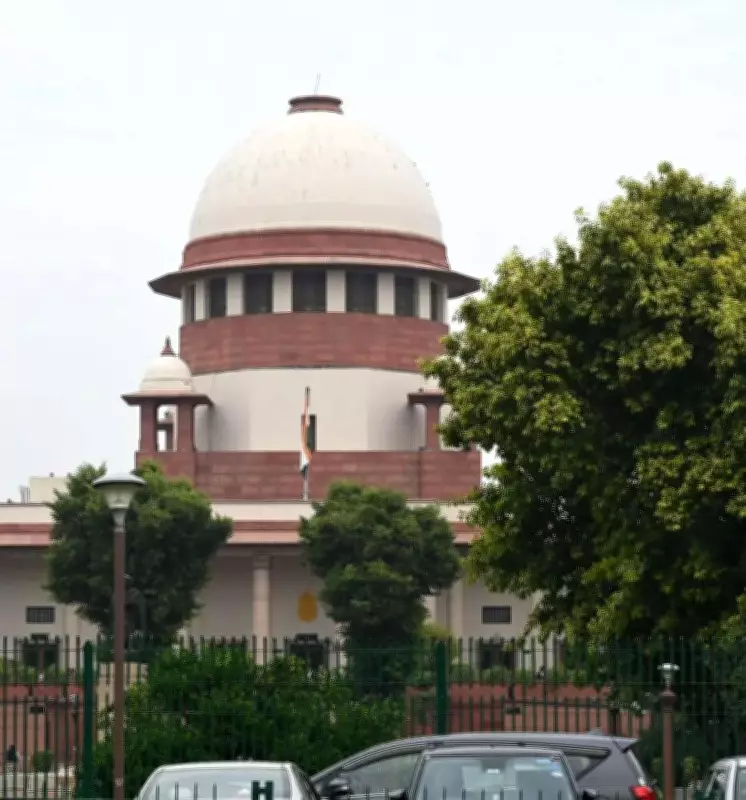
In a significant legal development, the Supreme Court has declined to interfere with a series of orders from the Orissa High Court, dealing a setback to the state government. The apex court's decision grants eligibility for full grant-in-aid under the GIA Order of 1994 to employees of aided educational institutions, marking a pivotal moment in a protracted dispute.
Court Proceedings and Key Judgments
A two-judge bench of the Supreme Court, comprising Justice J K Maheswari and Justice Atul S Chandurka, issued an order on March 25, dismissing Special Leave Petitions filed by the state government. These petitions challenged the Orissa High Court's landmark ruling of March 19, 2025, as well as appeals from private parties. The bench emphasized that the high court's direction was "completely in consonance with the reasoning as specified therein," thereby upholding its validity.
The Orissa High Court, in its judgment delivered by Justice Biraja Prasanna Satapathy, had ruled that unaided schools, girls' schools, higher secondary schools, and colleges could not be denied the benefits of the GIA Order, 1994, if their cases had been duly recommended by the concerned directorates prior to the repeal of the scheme. This decision addressed over 100 appeals arising from orders of the State Education Tribunal, with Justice Satapathy upholding claims for grant-in-aid and setting aside rejections.

Historical Context and Implications
The GIA Order, 1994, originally provided for full salary grants to eligible teaching and non-teaching staff in private educational institutions. However, it was repealed on February 5, 2004, and replaced with a new order that limited grants to partial assistance. The high court's ruling directed state authorities to extend the benefits under the 1994 order and complete the verification process within six months, a directive now reinforced by the Supreme Court.
In its order, the Supreme Court noted that it was not inclined to take a different view, highlighting that "numerous Special Leave Petitions, more than approximately 60 in number ... have already been dismissed" by the court. Even after hearing the advocate general of the state, Pitambar Acharya, at length, the court found no grounds to revisit its earlier stance. Consequently, the state's appeals were dismissed, while private appeals were disposed of with directions to follow the high court's framework.
Future Directions and Impact
Since the matters had remained pending before the Supreme Court, it further directed that the verification exercise be completed by the state within six months from the date of its order. This ruling brings closure to a long-running legal battle and is likely to affect a significant number of grant-in-aid claims across Odisha, providing relief to many educational institutions and their employees.
The Supreme Court's decision underscores the importance of judicial consistency and the discretion left to the state to assess each case based on verification and relevant court orders. This outcome not only resolves a key issue in the education sector but also sets a precedent for similar disputes in the future.