Saudi Arabia Announces Stringent Penalties for Unauthorized Hajj Pilgrims
As Saudi Arabia intensifies preparations for Hajj 1447 AH, the Ministry of Interior has unveiled a comprehensive penalty framework designed to regulate pilgrim movement and prevent unauthorized participation in the sacred pilgrimage. The new regulations establish severe consequences for both individuals and facilitators who circumvent official permit requirements, signaling a zero-tolerance approach to violations.
Substantial Fines for Unauthorized Pilgrims and Visit Visa Holders
The cornerstone of the regulatory framework involves fines reaching up to SAR 20,000 targeting two specific categories of violators. First, individuals who perform or attempt to perform Hajj without obtaining an official permit will face these substantial penalties. Second, holders of any type of visit visa who enter, attempt to enter, or remain within Makkah or the Holy Sites between 1 Dhu Al-Qi'dah and 14 Dhu Al-Hijjah will be subject to the same financial consequences.
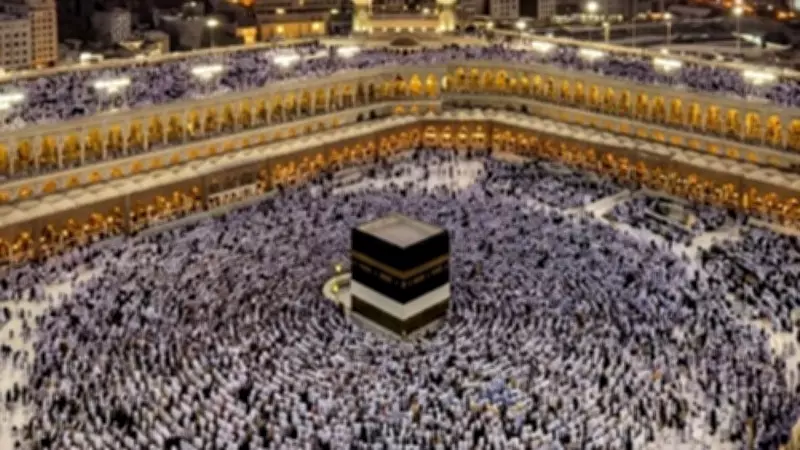
This specified period corresponds with the peak Hajj window when access to these sacred locations is tightly controlled to ensure optimal safety measures and effective crowd management protocols. The timing restrictions are specifically designed to prevent overcrowding and maintain orderly pilgrimage operations.

Severe Penalties for Facilitators and Enablers
An even more substantial fine of up to SAR 100,000 has been introduced for those who enable or facilitate violations of Hajj regulations. This enhanced penalty applies across multiple categories of enabling activities:
- Applying for visit visas for individuals who subsequently perform or attempt Hajj without proper permits
- Transporting or attempting to transport visit visa holders to Makkah and the Holy Sites during the restricted period
- Providing accommodation or shelter to visit visa holders through various means including hotels, apartments, private residences, shelters, Hajj accommodation facilities, or any other lodging arrangements
- Concealing such individuals or offering any form of assistance that enables them to remain in restricted areas during the specified timeframe
These fines are not fixed per incident but are multiplied based on the number of individuals involved in each violation. This multiplication factor significantly increases the financial consequences for large-scale violations and organized efforts to bypass Hajj regulations.
Deportation and Long-Term Entry Bans
The Ministry of Interior has also introduced strict immigration consequences as part of the comprehensive enforcement strategy. Individuals identified as infiltrators, including residents and those who overstay their visas, will face two primary penalties:
- Immediate deportation to their home countries
- A comprehensive ban from re-entering Saudi Arabia for a period of 10 years
This dual approach aims to deter repeat violations while simultaneously tightening overall entry control mechanisms during the critical Hajj period. The long-term entry ban represents one of the most severe immigration penalties implemented for Hajj-related violations.
Vehicle Confiscation and Legal Recourse Provisions
Authorities will escalate enforcement measures through judicial channels by requesting the confiscation of land transport vehicles used to carry visit visa holders to Makkah and the Holy Sites during the restricted period from 1-11-1447 to 14-12-1447 (corresponding to 23 April 2026 to 4 June 2026). This confiscation applies when the vehicle is owned by the transporter, a contributor, or any accomplice involved in the violation.
Simultaneously, the ministry has outlined specific legal safeguards for individuals subject to penalties:

- Penalized individuals retain the right to file a formal grievance within 30 days of receiving notification of penalties
- Appeals against committee decisions can be submitted to the Administrative Court within 60 days of the committee's ruling
The comprehensive framework represents Saudi Arabia's determined effort to manage pilgrim numbers effectively, reduce dangerous overcrowding, and ensure a controlled, secure, and spiritually fulfilling Hajj experience for all authorized participants. These measures come as part of ongoing initiatives to enhance pilgrimage management and maintain the sanctity of the Hajj rituals.