

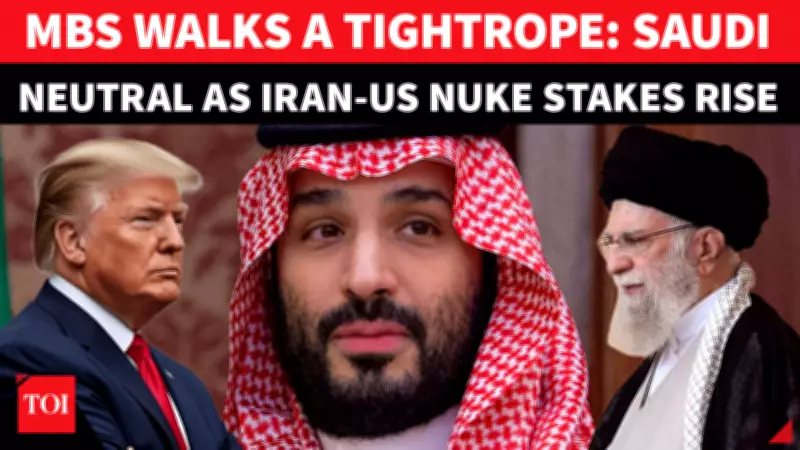
Saudi Arabia's Calculated Neutrality in US-Iran Nuclear Negotiations
As the United States and Iran prepare for another round of indirect nuclear discussions, Saudi Arabia finds itself walking a diplomatic tightrope. The kingdom is publicly projecting an image of neutrality while simultaneously issuing stark warnings behind closed doors about the potential consequences of these negotiations.
The Dual Nature of Saudi Diplomacy
A senior Saudi source has revealed that Riyadh views the current negotiations between Washington and Tehran as less about achieving lasting peace and more about buying time in a tense geopolitical landscape. This perspective comes despite Saudi Arabia's role as a mediator at the specific request of former President Donald Trump, highlighting the complex position the kingdom occupies in regional affairs.
While Saudi officials continue to insist that the kingdom will maintain neutrality in any potential conflict between the United States and Iran, they have drawn a firm red line regarding nuclear capabilities. Riyadh has made it clear that if Iran successfully acquires nuclear weapons, Saudi Arabia will seek matching capabilities, potentially triggering a regional arms race with far-reaching consequences.

The Geopolitical Chessboard
The nuclear negotiations unfold against a backdrop of strategic maneuvering by all parties involved. As President Trump reportedly hesitates between applying maximum pressure and exercising restraint in his approach to Iran, Tehran appears to be playing what observers describe as a patient long game. Notably, discussions about Iran's missile program remain conspicuously off-limits in the current talks, leaving a significant element of regional security unaddressed.
This diplomatic dance brings the Middle East closer to what many analysts describe as a decisive moment in regional security dynamics. The situation creates a paradox where Saudi Arabia presents itself as neutral on the surface while remaining deeply invested in the ultimate outcome of these negotiations.
Regional Implications and Future Scenarios
The Saudi position reflects broader regional anxieties about nuclear proliferation and power balances in the Middle East. Riyadh's conditional neutrality—maintaining diplomatic distance while preparing for worst-case scenarios—illustrates the complex calculations Middle Eastern nations must make in an increasingly multipolar world.
As the United States and Iran continue their indirect dialogue, Saudi Arabia's dual-track approach serves as a reminder that regional powers are not merely passive observers but active participants shaping outcomes through both public diplomacy and private warnings. The kingdom's stance suggests that while it may avoid direct confrontation, it will not remain passive if fundamental security interests are threatened by nuclear developments in the region.






