Republic Day 2026: Celebrating 77 Years of India's Democratic Journey
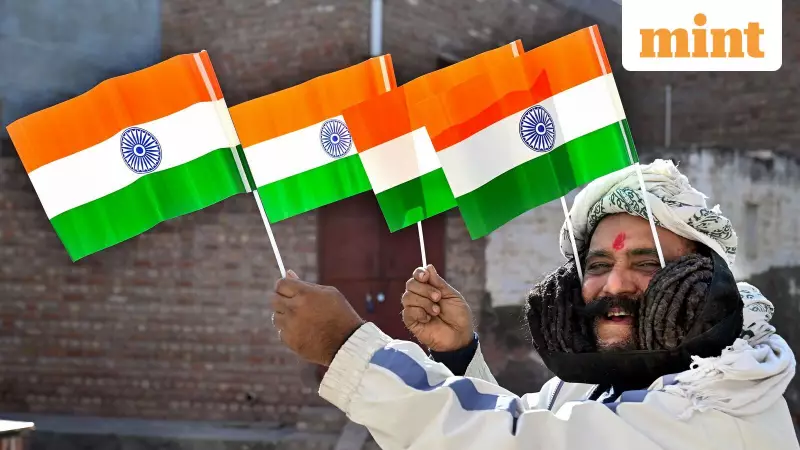
Republic Day 2026 marks the 77th anniversary of India's transformation into a sovereign democratic republic. On January 26, 1950, the Constitution of India came into effect, completing the nation's transition from British dominion to independent republic. This significant milestone continues to be celebrated with great pride and patriotic fervor across the country.
From Independence Day to Republic Day
Between 1930 and 1947, India observed 26 January as Independence Day, originally known as Purna Swaraj Day. This date gained historical significance when the Indian National Congress, under Jawaharlal Nehru's leadership, adopted the resolution for complete independence in December 1929. The tricolour was first hoisted on the banks of the Ravi River, turning this day into a powerful symbol of protest and hope during the freedom struggle. Following India's independence in 1947, 26 January was chosen to commemorate the enforcement of the Constitution in 1950, creating a profound connection between the freedom movement and constitutional democracy.
The Magnificent Handwritten Constitution
The Indian Constitution holds the distinction of being the longest among all sovereign nations, containing approximately 145,000 words in its English version. What makes it truly extraordinary is that the original Constitution was entirely handwritten rather than printed. It was prepared in both English and Hindi versions, with Prem Behari Narain Raizada meticulously writing the English text and Vasant Krishan Vaidya crafting the Hindi version. Artists from Shantiniketan, under the guidance of Nandalal Bose, beautifully decorated each page, transforming the document into both a legal masterpiece and an artistic treasure.
India's Unique Quasi-Federal System
The Indian Constitution establishes a 'Quasi-Federal' system that carefully balances state autonomy with central authority. The framers of the Constitution, led by the visionary Dr. B.R. Ambedkar, designed this system with the understanding that excessive state power could potentially lead to national disintegration. They created what is often described as "flexible federalism" - a structure that allows local autonomy while ensuring central power can maintain national unity during crises. This innovative approach has proven remarkably resilient through decades of democratic governance.
Revolutionary Democratic Provisions
When the Constitution came into force in 1950, India took the bold step of introducing universal adult voting rights, granting every adult citizen the right to vote regardless of wealth, gender, caste, or educational background. This progressive move was particularly remarkable considering that many developed nations still maintained voting restrictions at that time. Additionally, Indian secularism follows a distinctive path where, instead of strict separation from religion, the state respects and protects all religions equally, creating a unique model of religious pluralism within a democratic framework.
From Dominion to Republic
Between 15 August 1947 and 26 January 1950, India existed as a Dominion - a self-governing nation that still recognized the British King as Head of State. During this period, King George VI was represented by Governors-General, first Lord Mountbatten and later C. Rajagopalachari. Jawaharlal Nehru led an elected government that enacted laws under the modified Government of India Act of 1935. The transition to a full republic on 26 January 1950 marked India's complete constitutional independence.
Commonwealth Membership Innovation
On Republic Day 1950, India achieved another historic milestone by becoming the first republic to join the Commonwealth as a free and equal member. Previously, Commonwealth nations had accepted the British Crown as their Head of State. India's desire to have its own President while remaining within the Commonwealth led to the groundbreaking 1949 London Declaration, which allowed this constitutional innovation and set a precedent for other nations.
Evolution of the Grand Parade Venue
The Republic Day parade has not always been held at its current location, Kartavya Path (formerly known as Rajpath). The inaugural parade in 1950 took place at Irwin Stadium, and between 1950 and 1954, the venue changed multiple times, including Kingsway, Red Fort, and Ramlila Grounds. Since 1955, the parade has been permanently hosted at Rajpath, creating the iconic procession route that stretches from Rashtrapati Bhavan to India Gate.
Diplomatic Tradition of Chief Guests
Since 1950, India has maintained the tradition of inviting a foreign leader as the Republic Day Chief Guest, a significant diplomatic honor that reflects the nation's foreign policy priorities. This elaborate process begins months in advance under the coordination of the Ministry of External Affairs. Indonesia's President Sukarno had the distinction of being the first chief guest in 1950. In 2026, India made history by inviting European Union leaders Ursula von der Leyen and António Costa together, marking the first joint EU invitation.
Three-Day Celebration Extravaganza
India's Republic Day celebrations span three memorable days. The main parade occurs on 25 January at Kartavya Path, where the President unfurls the national flag and reviews the spectacular military and cultural procession. Cultural events continue on 27 and 28 January, showcasing India's diverse heritage. The celebrations officially conclude on 29 January with the Beating Retreat ceremony at Vijay Chowk, featuring magnificent military band performances by the Indian armed forces.
Cinema Tableau Debut in 2026
The 2026 Republic Day Parade introduces a special innovation with its first-ever tableau dedicated to Indian cinema. Titled Bharat Gatha: Shruti, Kriti, Drishti, this artistic presentation traces India's rich storytelling journey from ancient oral traditions to contemporary cinematic expressions. Designed by acclaimed filmmaker Sanjay Leela Bhansali and accompanied by a soulful composition sung by Shreya Ghoshal, this tableau represents a beautiful fusion of cultural heritage and modern artistic expression.
As India celebrates its 77th Republic Day in 2026, these fascinating facts remind us of the remarkable constitutional journey that has shaped the world's largest democracy. From its handwritten origins to its innovative federal structure and evolving traditions, Republic Day continues to symbolize India's democratic resilience, cultural diversity, and constitutional commitment to justice, liberty, equality, and fraternity for all citizens.