Indian Railways Mandates Induction Cooking as Middle East LNG Supply Disrupted
In a significant operational shift, Indian Railways has issued a directive requiring all station food outlets to transition from traditional cooking methods to microwaves and induction stoves. This urgent move comes in response to reported cuts in liquefied natural gas (LNG) supplies, which have been directly linked to the escalating conflict in the Middle East. The disruption in energy flows from West Asia has created immediate challenges for India's infrastructure, prompting this rapid adaptation.
IRCTC Implements New Cooking Guidelines Across Railway Stations
The directive, formally communicated through the Indian Railway Catering and Tourism Corporation (IRCTC), applies comprehensively to food plazas, refreshment rooms, and Jan Aahar outlets operating within railway stations nationwide. This sweeping change aims to mitigate the impact of energy supply interruptions that have emerged as a consequence of the regional tensions. The shift to induction-based cooking represents a strategic response to ensure uninterrupted food services for millions of daily passengers.
Prime Minister Modi Pledges Support for Indians in Gulf Region
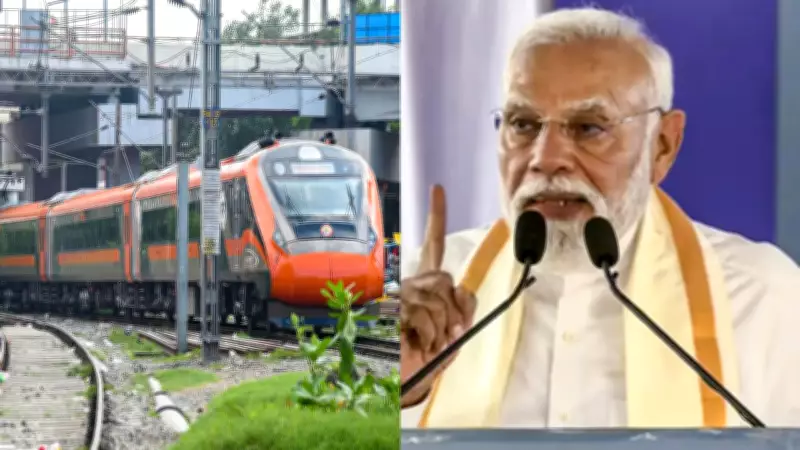
Prime Minister Narendra Modi addressed the growing concerns regarding Indian citizens caught in the Gulf amid the unfolding Middle East crisis. Speaking at a public rally in Kochi on Wednesday, the Prime Minister assured that the government would extend all possible assistance to stranded Indians. He emphasized that authorities are closely monitoring the volatile situation and reiterated India's commitment to not abandon its citizens abroad, with active efforts underway to provide necessary support in West Asia.

Clarification on Iran's Supreme Leader Amid Conflict Reports
Amid swirling rumors about the condition of Iran's newly appointed supreme leader, Mojtaba Khamenei, official clarification has emerged. Yousef Pezeshkian, son of Iranian President Masoud Pezeshkian, confirmed that Khamenei remains "safe and sound" despite reports suggesting he had been injured during the ongoing conflict involving Iran, the United States, and Israel. This statement comes after several days of uncertainty regarding the cleric's whereabouts and condition, with Pezeshkian noting he personally verified the information through reliable contacts.
Report Details Iran's Near-Acquisition of Advanced Chinese Missile
According to emerging reports, Iran was reportedly close to finalizing a deal to acquire China's CM-302 anti-ship missile just days before tensions with the United States and Israel escalated dramatically. The CM-302, often referred to as an "aircraft-carrier killer," represents the export version of China's formidable YJ-12 missile system. However, Beijing has subsequently denied these claims, creating confusion about the actual status of such military procurement discussions between Iran and China.
India Secures Major Russian Crude Purchase Following US Waiver
In a strategic energy move, India has purchased approximately 30 million barrels of stranded Russian crude oil after the United States issued a 30-day waiver permitting imports of shipments already at sea. This significant acquisition, reported by Bloomberg, saw Indian refiners quickly securing cargoes positioned in Asian waters. The purchase provides an immediate alternative energy source as disruptions continue to affect traditional oil flows from the Middle East, demonstrating India's adaptive approach to global energy market volatility.
The convergence of these developments highlights the multifaceted impact of the Middle East conflict on global affairs, with direct consequences for:

- Energy Security: Disruptions to LNG and oil supplies forcing operational changes
- Diplomatic Relations: Complex interactions between multiple nations including Iran, US, Israel, China, and India
- Humanitarian Concerns: Safety of citizens abroad during regional instability
- Military Dynamics: Potential shifts in regional power balances through arms acquisitions
As the situation continues to evolve, these interconnected developments underscore how regional conflicts can trigger cascading effects across global supply chains, diplomatic relations, and domestic policies in nations far from the immediate theater of conflict.