Putin Denounces 'Cynical Murder' of Iran's Khamenei, Raises Stakes in Iran-US Conflict
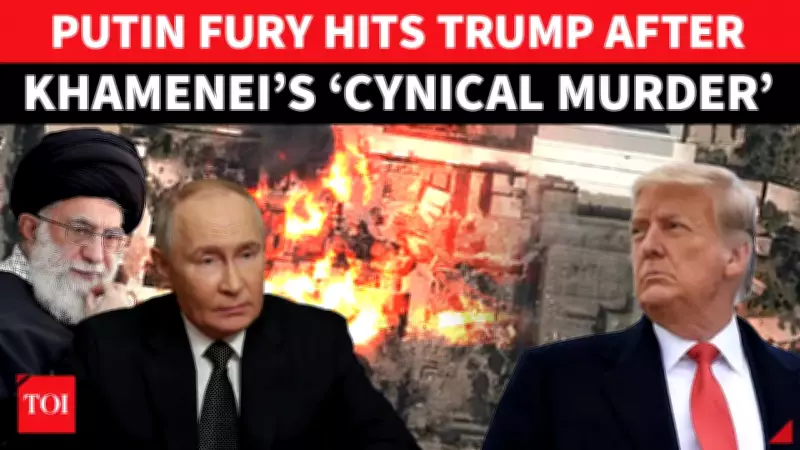
Russian President Vladimir Putin has issued a strong condemnation of the killing of Iran's Supreme Leader Ayatollah Ali Khamenei, labeling it a "cynical murder" in response to a joint military operation conducted by Israel and the United States. This dramatic development marks a significant escalation in the ongoing tensions between Iran and Western powers, with Moscow now positioning itself as a vocal critic of the action.
Third Moscow-Backed Leader to Fall in 15 Months
The death of Ayatollah Khamenei represents the third major blow to Russian geopolitical interests in a short span, following similar upheavals in Syria and Venezuela over the past 15 months. This pattern underscores the fragility of alliances in regions where Russia has sought to exert influence, potentially prompting a reassessment of Kremlin strategies in West Asia and beyond.
Putin's statement, characterized by its fiery rhetoric, suggests that Russia will not stand idly by in the face of what it perceives as aggressive Western interventions. While specific retaliatory measures were not detailed, the tone implies a hardening of Moscow's stance, which could involve diplomatic, economic, or even military responses aimed at countering US and Israeli actions in the region.

Implications for Global Stability and Oil Markets
The assassination has already triggered widespread unrest, with reports of protests and violence spilling into neighboring countries like Pakistan, where nine fatalities occurred during an attack on a US consulate. Such incidents highlight the risk of the conflict expanding beyond Iran's borders, threatening regional stability and international security.
Economically, the situation poses a severe threat to global oil supplies, particularly through the strategic Strait of Hormuz. Any disruption in this critical maritime chokepoint could lead to volatile spikes in oil prices, affecting economies worldwide and exacerbating existing geopolitical tensions.
Broader Context of Iran-US Hostilities
This event occurs against a backdrop of escalating hostilities between Iran and the United States, which have included:
- Missile strikes by Iran on Israeli targets, such as the recent attack on 40 buildings in Tel Aviv.
- Retaliatory actions by Iran's Islamic Revolutionary Guard Corps (IRGC) against US naval assets and bases in Gulf nations.
- Ongoing covert operations, as hinted in leaks about CIA activities in Tehran.
Iranian leaders, including President Pezeshkian, have vowed to "destroy all bases of enemies", signaling a commitment to aggressive retaliation. The killing of Khamenei is likely to fuel further Iranian operations, potentially targeting American and allied interests across the Middle East.
As the international community watches closely, the involvement of Russia adds a complex layer to an already volatile situation. Putin's condemnation not only aligns Moscow with Tehran but also challenges Western narratives, setting the stage for a potentially prolonged and multifaceted conflict that could reshape alliances and power dynamics in West Asia and globally.