Putin's Emergency Diplomatic Outreach Amid Iran Conflict Escalation
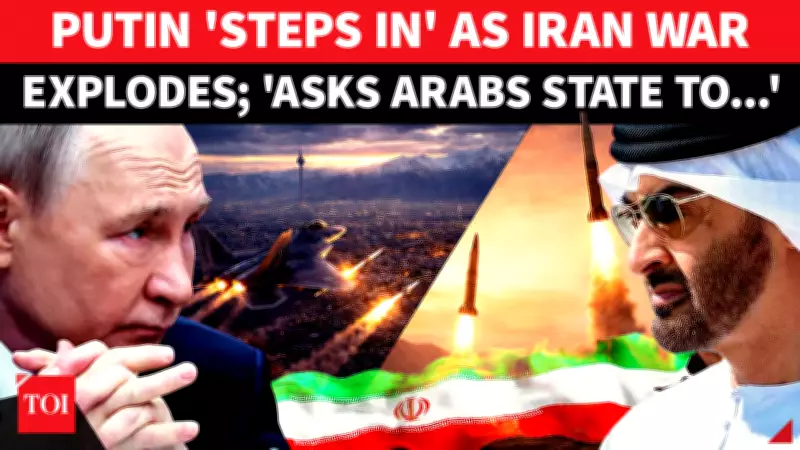
In a significant diplomatic move, Russian President Vladimir Putin made an emergency phone call to United Arab Emirates President Mohamed bin Zayed Al Nahyan to address the rapidly deteriorating security situation in the Middle East. The high-level discussion focused specifically on recent Iranian military strikes targeting the UAE and other Arab states, highlighting growing international alarm over regional stability.
Critical Discussion on Regional Security Threats
According to official statements from Emirati authorities, the two leaders conducted a comprehensive review of the escalating conflict, with particular emphasis on Iranian missile attacks that have threatened Gulf nations. Both presidents expressed deep concern about the widening scope of retaliatory operations and missile exchanges across the region, which now pose significant risks to civilian populations and critical infrastructure.
The emergency conversation underscored the urgent need to prevent further military escalation that could potentially trigger a broader regional confrontation. President Putin and President Al Nahyan jointly emphasized that attacks must be contained through immediate diplomatic channels rather than military responses.

Call for Restraint and Diplomatic Solutions
During their urgent exchange, both leaders strongly advocated for restraint among all parties involved in the conflict. They called for renewed diplomatic efforts to de-escalate tensions and establish communication channels that could prevent further violence. The discussion highlighted how the expanding conflict now threatens not only regional stability but also global energy security, given the strategic importance of Gulf energy infrastructure.
The emergency call represents a crucial diplomatic intervention at a time when multiple nations are being drawn into the conflict through retaliatory strikes and counter-operations. International observers note that Russia's direct engagement with Gulf leadership signals Moscow's growing role as a potential mediator in Middle Eastern conflicts.
Broader Implications for International Security
The developments discussed during this emergency call have far-reaching implications beyond the immediate region. The security of international shipping lanes, stability of global energy markets, and prevention of wider military confrontation all hang in the balance as Iranian operations continue to expand. Both leaders acknowledged that the current trajectory risks drawing additional international actors into direct conflict.
This diplomatic exchange occurs against a backdrop of increasing military activity throughout the Gulf region, with multiple nations now experiencing direct threats to their security and sovereignty. The emergency nature of the call reflects the genuine concern among world leaders about the potential for this conflict to spiral beyond current boundaries.
As regional tensions reach critical levels, such high-level diplomatic interventions may prove essential in establishing communication channels that can prevent full-scale war. The Putin-Al Nahyan discussion sets an important precedent for international leadership engagement during crisis situations, demonstrating that even amid escalating military actions, diplomatic solutions remain a priority for responsible global actors.