Putin Vows To Defend Arctic Interests With ‘Arsenal Of International Law’ Amid Greenland Strategic Concerns
The Arctic region is undergoing a dramatic transformation, shifting from a remote frozen wilderness into a critical geopolitical flashpoint. As climate change accelerates ice melt, it is unveiling new shipping routes and unlocking access to vast untapped energy resources, drawing intense global attention and competition.
Russia's Legal Stance on Arctic Sovereignty
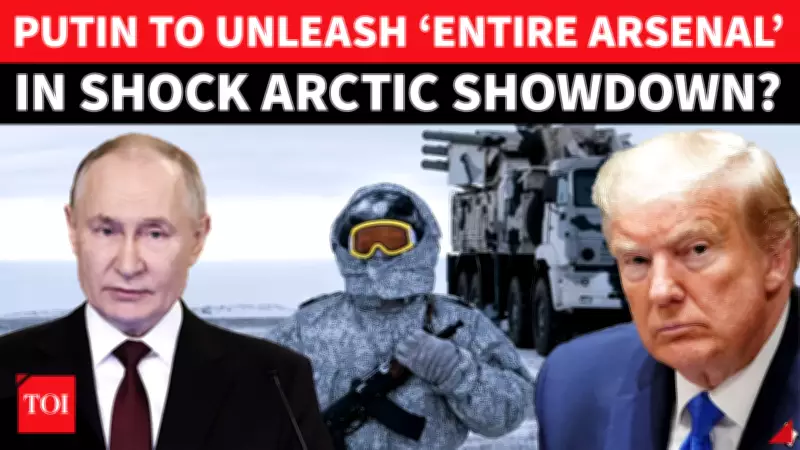
Russian President Vladimir Putin has emphasized that Russia prefers international cooperation in the Arctic but will staunchly defend its national interests through what he terms an arsenal of international law. This approach underscores Moscow's commitment to asserting its claims via diplomatic and legal frameworks, rather than solely through military posturing.
US Alarms Over Greenland's Strategic Importance
In contrast, the United States has expressed significant concerns regarding Greenland's strategic value in the Arctic. Former President Donald Trump has publicly warned about Russian and Chinese ambitions in the area, allegations that Moscow has firmly denied. The US views Greenland as a pivotal location for monitoring and countering potential rival activities in the region.

Denmark's Reassurance and Regional Diplomacy
Denmark, which holds sovereignty over Greenland, has pushed back against claims of an immediate threat, asserting that the situation remains stable. This stance highlights the complex interplay of diplomacy and suspicion among Arctic nations, as they navigate competing interests and alliances.
Emerging Great-Power Rivalry in the Arctic
With melting ice facilitating increased accessibility, the Arctic is rapidly emerging as a new arena for great-power rivalry. Key factors driving this competition include:
- Economic Opportunities: Access to oil, gas, and mineral reserves estimated to be worth trillions of dollars.
- Strategic Shipping Lanes: New routes like the Northern Sea Route that could shorten global trade paths.
- Military Significance: Enhanced capabilities for surveillance and defense in a region with growing geopolitical weight.
As global powers jostle for influence, the Arctic's future hangs in a delicate balance between cooperative governance and escalating tensions. The region's evolution from a frozen frontier to a strategic hotspot underscores the broader challenges of climate change and international relations in the 21st century.