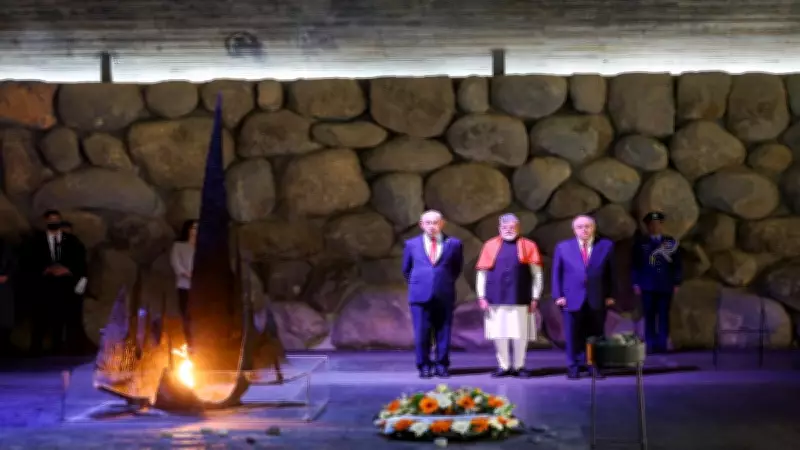
PM Modi's Yad Vashem Visit: A Strategic Gesture Beyond Symbolism in Israel
Prime Minister Narendra Modi's recent visit to the Yad Vashem Holocaust Museum in Jerusalem has garnered significant attention, not merely as a symbolic act but as a profound statement in the context of India-Israel relations. This visit, which took place during his official trip to Israel, highlights the evolving strategic partnership between the two nations, moving beyond traditional diplomacy to embrace shared historical and moral values.
The Significance of Yad Vashem in International Diplomacy
Yad Vashem, Israel's official memorial to the victims of the Holocaust, serves as a poignant reminder of one of history's darkest chapters. For world leaders, a visit here is often seen as a gesture of solidarity and remembrance. However, in Modi's case, it transcends mere symbolism. By paying homage at this site, he acknowledges the universal lessons of the Holocaust, emphasizing India's commitment to human rights and tolerance. This aligns with India's broader foreign policy goals of fostering global peace and cooperation.
The visit also underscores the personal rapport between Modi and Israeli Prime Minister Benjamin Netanyahu, who accompanied him during the tour. Their joint presence at Yad Vashem signals a deepening of bilateral ties, rooted in mutual respect and shared strategic interests. Netanyahu has previously praised India's stance on terrorism and security, making this gesture a reinforcement of their collaborative efforts in these areas.

Beyond Symbolism: Strategic Implications for India-Israel Relations
While symbolic visits are common in diplomacy, Modi's Yad Vashem trip carries substantial strategic weight. India and Israel have been strengthening their partnership in various sectors, including defense, technology, and agriculture. This visit serves as a public affirmation of that growing alliance, showcasing India's willingness to engage on a moral and historical level, which can enhance trust and cooperation in more tangible areas.
Moreover, in the current global landscape, where geopolitical alliances are constantly shifting, such gestures help solidify India's position as a key player in Middle Eastern affairs. By honoring the memory of Holocaust victims, Modi not only pays respect to Jewish history but also positions India as a nation that values historical consciousness and ethical governance. This can resonate positively with international audiences, boosting India's soft power and diplomatic influence.
Why This Visit Matters in the Broader Context
The timing and context of Modi's visit are crucial. As India seeks to expand its global footprint, engagements like these demonstrate a nuanced approach to foreign policy, blending symbolism with substantive action. The Holocaust Museum visit is not an isolated event but part of a larger narrative of India-Israel relations, which have seen significant advancements in recent years, including high-level exchanges and joint initiatives.
In essence, PM Modi's gesture at Yad Vashem goes beyond a mere diplomatic formality. It reflects a strategic move to deepen ties with Israel, grounded in shared values and mutual interests. As both nations navigate complex international dynamics, such visits underscore the importance of historical awareness in building resilient partnerships for the future.