PM Modi's Israel Visit Amid Iran Tensions May Recalibrate West Asia Playbook
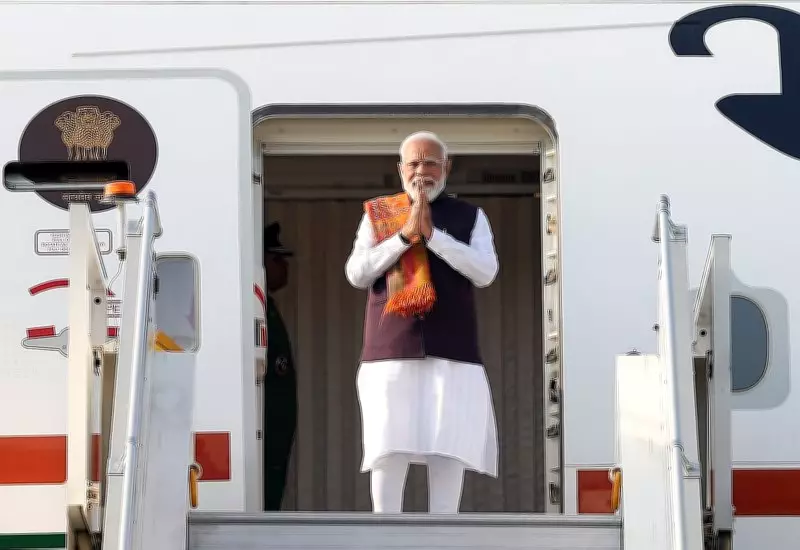
Prime Minister Narendra Modi's forthcoming diplomatic mission to Israel, scheduled amidst heightened regional tensions with Iran, is anticipated to significantly influence India's strategic approach in West Asia. This high-stakes visit underscores New Delhi's delicate balancing act as it navigates complex geopolitical dynamics in a volatile region.
Timing and Context of the Visit
The visit is set to occur during a period of escalating friction between Israel and Iran, with recent incidents including military strikes and diplomatic standoffs exacerbating instability across West Asia. Analysts suggest that Modi's presence in Israel at this juncture could serve as a pivotal moment for India to reassess its foreign policy priorities in the area.
India has historically maintained robust ties with both Israel and Iran, leveraging these relationships for energy security, defense cooperation, and regional influence. However, the current tensions pose a challenge, requiring nuanced diplomacy to avoid alienating key partners.

Potential Strategic Recalibration
Experts indicate that this visit might lead to a recalibration of India's West Asia playbook, with potential shifts in focus:
- Enhanced Defense and Security Collaboration: Strengthening military and intelligence-sharing agreements with Israel, particularly in counter-terrorism and cybersecurity.
- Economic and Technological Partnerships: Expanding trade and investment in sectors like agriculture, water management, and innovation, building on existing bilateral frameworks.
- Diplomatic Balancing Act: Maintaining dialogue with Iran to safeguard energy imports and regional stability, while aligning more closely with Israel on security issues.
This recalibration could involve a more assertive stance in regional forums, positioning India as a mediator or key stakeholder in conflict resolution efforts. The visit may also signal a tilt towards a more pro-Israel posture, albeit without severing ties with Iran, reflecting India's pragmatic foreign policy approach.
Implications for Regional Dynamics
The outcomes of Modi's visit are likely to resonate beyond bilateral relations, impacting broader West Asian geopolitics. A strengthened India-Israel axis could influence power balances, particularly in light of U.S. and Chinese involvement in the region.
Moreover, this diplomatic move might encourage other nations to reevaluate their strategies, potentially fostering new alliances or tensions. India's ability to navigate these complexities will be closely watched by global observers, as it seeks to enhance its role as a rising power on the international stage.
In summary, PM Modi's Israel visit amid Iran tensions represents a critical juncture for India's foreign policy, with the potential to reshape its West Asia strategy through enhanced partnerships and careful diplomatic maneuvering.