PM Modi Holds Diplomatic Talks with Gulf Leaders Over West Asia Conflict
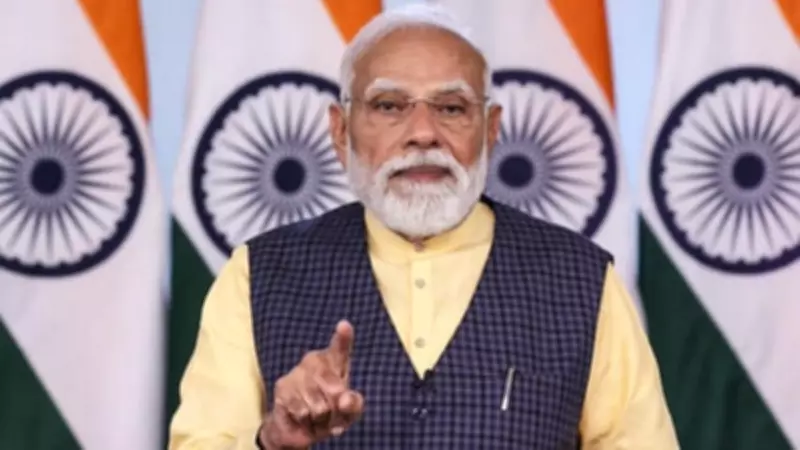
In a significant diplomatic move, Prime Minister Narendra Modi has engaged in crucial conversations with key leaders in the Gulf region, focusing on the escalating tensions in West Asia. This development underscores India's proactive role in fostering dialogue and stability amid ongoing conflicts.
Direct Communication with Oman and Kuwait
Prime Minister Modi spoke directly with the Sultan of Oman, Haitham bin Tariq, and the Crown Prince of Kuwait, Sheikh Mishal Al-Ahmad Al-Jaber Al-Sabah. These discussions are part of a broader effort to address the complex geopolitical landscape in West Asia, where regional disputes have intensified in recent months.
The talks aimed to explore avenues for peace and cooperation, with Modi emphasizing India's commitment to supporting diplomatic resolutions. The Sultan of Oman and Crown Prince of Kuwait expressed appreciation for India's balanced approach and its efforts to mediate in regional affairs.

Expanding Diplomatic Outreach
This engagement follows earlier conversations that Prime Minister Modi held with other influential figures in the region. He previously spoke with United Arab Emirates (UAE) President Sheikh Mohamed bin Zayed Al Nahyan and Israeli Prime Minister Benjamin Netanyahu. These interactions highlight India's strategic positioning as a neutral and trusted partner in international diplomacy.
By maintaining open lines of communication with both Arab nations and Israel, India seeks to bridge divides and promote mutual understanding. The discussions covered a range of topics, including security concerns, economic collaboration, and humanitarian issues arising from the conflict.
Implications for Regional Stability
The series of diplomatic calls reflects India's growing influence in global affairs, particularly in West Asia, where it has significant economic and cultural ties. Key points from the conversations include:
- Peace Initiatives: Modi advocated for peaceful dialogue and conflict resolution mechanisms to de-escalate tensions.
- Economic Partnerships: Discussions touched on enhancing trade and investment between India and Gulf countries, leveraging existing bilateral agreements.
- Humanitarian Aid: The leaders discussed coordinated efforts to provide assistance to affected populations in conflict zones.
These efforts align with India's foreign policy objectives of promoting stability and cooperation in regions critical to its national interests. The timing of these talks, amid heightened conflicts, underscores the urgency of diplomatic engagement.
Looking Ahead
As the situation in West Asia continues to evolve, India's role as a mediator is expected to gain prominence. Prime Minister Modi's outreach demonstrates a commitment to leveraging diplomatic channels to address global challenges. Future steps may involve:
- Facilitating multilateral meetings to encourage dialogue among conflicting parties.
- Strengthening bilateral ties through cultural and economic exchanges.
- Monitoring developments closely to adapt strategies as needed.
This proactive approach not only enhances India's international standing but also contributes to broader efforts for peace and security in West Asia.