

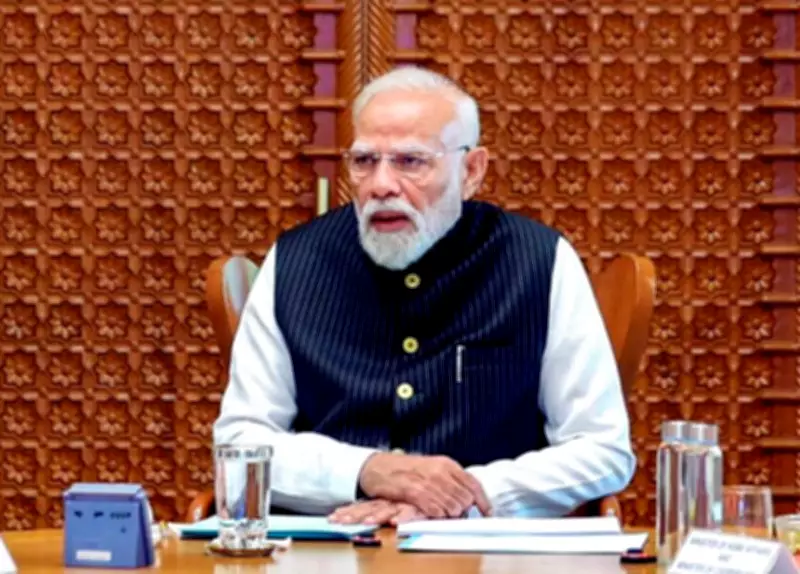
PM Modi Emphasizes Citizen Safety in High-Level Security Meeting on West Asia Crisis
As the West Asia conflict continues into its fourth week with no resolution in sight, Prime Minister Narendra Modi convened a critical meeting of the Cabinet Committee on Security (CCS) on Sunday to evaluate the escalating situation and its repercussions. This marks the first top-tier government review since the crisis erupted on February 28, 2026, highlighting the urgency of the matter.
Prioritizing Public Welfare Amid Global Turmoil
During the session, Prime Minister Modi issued a clear directive to ministers, stressing that safeguarding citizens must be the utmost priority at all costs. He called for the formulation of comprehensive short, medium, and long-term strategies to mitigate the crisis effectively. In a firm statement, the PM asserted, "No inconvenience should come to the citizens," underscoring the government's commitment to public welfare.
Drawing parallels to India's coordinated response during the COVID-19 pandemic, Modi advocated for a whole-of-government approach. He emphasized that all governmental arms must collaborate seamlessly to minimize disruptions for the populace. This includes enhanced coordination with state governments to prevent black marketing and hoarding of essential commodities, ensuring stability in supply chains.

Comprehensive Assessment and Strategic Measures
Cabinet Secretary TV Somanathan delivered a detailed presentation outlining the global scenario and India's proactive measures. The discussions spanned multiple sectors, with a focus on:
- Agriculture and Food Security: Ensuring adequate fertiliser stocks for the kharif season and exploring alternative sources to maintain future availability.
- Energy and Fuel: Guaranteeing no power shortages by securing coal supplies and diversifying crude and natural gas imports for industrial needs.
- Economic Resilience: Developing new export destinations to promote Indian goods and shield the economy from external shocks.
A PMO note highlighted that the meeting conducted a thorough evaluation of critical needs, including food, energy, and fuel security, with plans for immediate and long-term actions to sustain essential supplies.
Formation of Expert Groups and Future Steps
To streamline efforts, the Prime Minister has directed the establishment of a group of ministers and a group of secretaries. These bodies will assess the ongoing war's impact and finalize actionable solutions. An official noted that measures proposed by various ministries will be refined and implemented in the coming days after consulting all stakeholders.
Prime Minister Modi remarked that the conflict is an evolving situation affecting the global community. "In such a scenario, all efforts must be made to safeguard the citizens from the impact of this conflict," he stated, reinforcing the need for vigilance and preparedness.
Key Attendees and Broader Implications
The CCS meeting saw participation from senior ministers, including Rajnath Singh (Defence), Amit Shah (Home), Nirmala Sitharaman (Finance), S Jaishankar (External Affairs), Piyush Goyal (Industry), ML Khattar (Power), and Ashwini Vaishnaw (Information). Principal Secretaries to the PM, PK Mishra and Shantikanta Das, along with National Security Adviser Ajit Doval, were also present, indicating the high-stakes nature of the discussions.
This review underscores India's proactive stance in addressing international crises, with a firm focus on domestic stability and citizen protection. As the West Asia conflict persists, the government's multi-faceted approach aims to navigate challenges while ensuring minimal disruption to everyday life.






