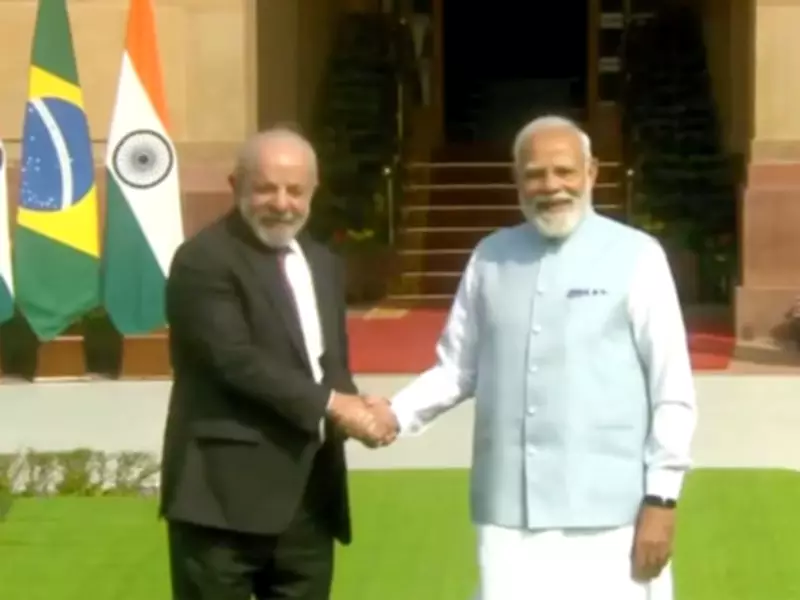
Prime Minister Narendra Modi Engages in High-Level Talks with Brazilian President Lula da Silva
In a pivotal diplomatic engagement, Prime Minister Narendra Modi of India held a comprehensive bilateral meeting with Brazilian President Luiz Inácio Lula da Silva. This high-level interaction underscores the deepening strategic partnership between two of the world's largest democracies and emerging economies.
Strengthening Bilateral Relations and Global Cooperation
The discussions between the two leaders were extensive, covering a wide array of mutual interests and global challenges. Both Prime Minister Modi and President Lula da Silva emphasized the importance of enhancing bilateral ties across multiple sectors, including trade, investment, technology, and defense. They explored avenues to boost economic collaboration, with a focus on increasing two-way trade and fostering joint ventures in key industries such as agriculture, renewable energy, and pharmaceuticals.
Key areas of dialogue included:

- Expanding trade and investment flows between India and Brazil.
- Promoting cooperation in science, technology, and innovation.
- Addressing global issues like climate change and sustainable development.
- Enhancing cultural and people-to-people exchanges.
Focus on Multilateral Engagement and Shared Goals
Prime Minister Modi and President Lula da Silva also deliberated on strengthening multilateral frameworks, particularly within forums like the United Nations, G20, and BRICS. They reaffirmed their commitment to advocating for the interests of developing nations and promoting a more inclusive global order. The leaders highlighted the need for collaborative efforts to tackle pressing international concerns, including food security, energy transitions, and digital governance.
This meeting marks a significant step in reinforcing the strategic alignment between India and Brazil, two nations that play crucial roles in their respective regions and on the world stage. The outcomes are expected to pave the way for enhanced diplomatic and economic engagements, contributing to regional stability and global prosperity.