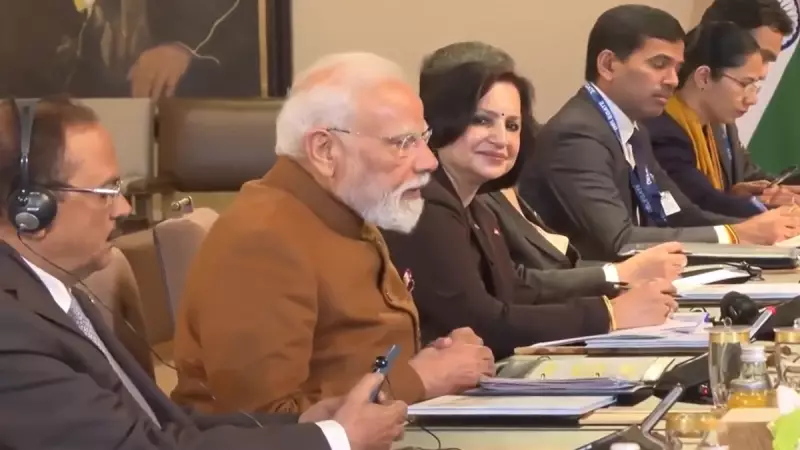
Prime Minister Narendra Modi held a significant bilateral meeting with King Abdullah II ibn Al Hussein of Jordan on December 15, 2025, on the sidelines of the COP29 summit in Baku, Azerbaijan. The high-level interaction underscored the robust partnership between India and Jordan, with a central focus on combating global terrorism and extremism.
A Strategic Dialogue on Shared Security Concerns
The meeting between the two leaders was marked by warmth and a shared understanding of critical international issues. Discussions prominently featured the urgent need for a coordinated global response to the threats of terrorism and violent extremism. Both leaders unequivocally condemned these forces, recognizing them as significant challenges to global peace and stability.
Prime Minister Modi emphasized that the fight against terrorism requires unwavering international unity and cannot have any double standards. King Abdullah II echoed this sentiment, highlighting Jordan's own experiences and steadfast stance against terrorist ideologies. This mutual alignment sends a powerful, consolidated message from both nations to the international community.

Strengthening the India-Jordan Partnership
Beyond security, the talks covered a wide spectrum of bilateral cooperation. The leaders reviewed the progress in the multifaceted relationship between India and Jordan, exploring avenues to deepen engagement. Key areas of discussion included:
- Trade and Investment: Exploring ways to enhance economic ties and boost mutual investments.
- Defence and Security Cooperation: Building on existing frameworks for greater collaboration.
- Cultural and People-to-People Ties: Strengthening the historical and cultural connections between the two civilizations.
- Global Issues: Exchanging views on climate change, sustainable development, and other multilateral challenges.
The positive trajectory of bilateral relations was acknowledged, with both sides expressing commitment to elevating the partnership to new heights. The context of the COP29 summit also allowed for an exchange of perspectives on climate action and environmental sustainability.
Global Implications and the Road Ahead
This meeting is seen as a crucial diplomatic engagement with implications beyond bilateral ties. By presenting a united front, India and Jordan, two influential voices in their respective regions, have amplified the call for a resolute and principled approach to counter-terrorism. The interaction reinforces India's active diplomatic outreach in West Asia and its role as a key global player advocating for peace.
The strong message against terrorism and extremism from the meeting is expected to resonate in international forums. It underscores the necessity for all nations to collaborate without selectivity in eradicating these threats. The dialogue also sets the stage for increased high-level exchanges and concrete joint initiatives between New Delhi and Amman in the coming months, further solidifying a partnership based on shared values and common strategic interests.