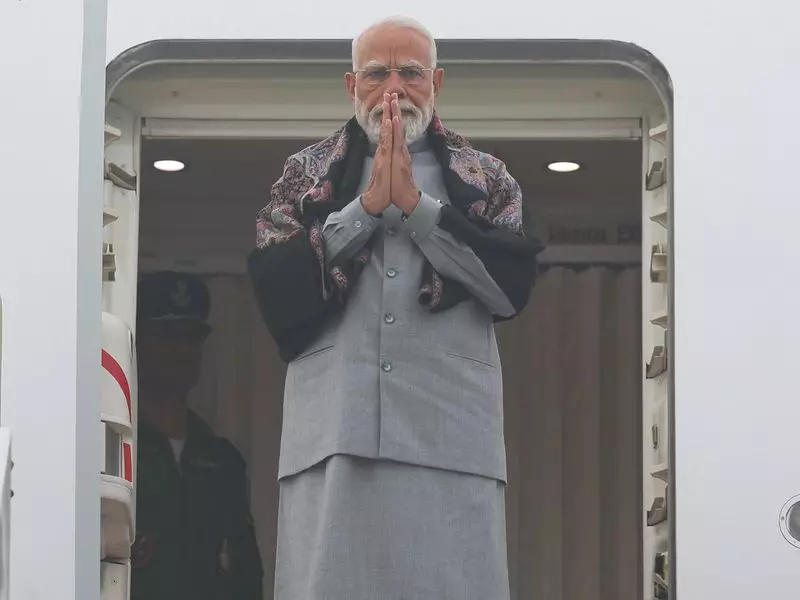
Prime Minister Narendra Modi has embarked on the next leg of his multi-nation tour, departing from the Hashemite Kingdom of Jordan for the Federal Democratic Republic of Ethiopia. This movement marks a significant transition in his diplomatic outreach, shifting focus from West Asia to the African continent.
Concluding a Strategic Jordan Engagement
The departure for Ethiopia followed the conclusion of Prime Minister Modi's official visit to Jordan. During his time there, he engaged in high-level discussions aimed at bolstering the historical and friendly relations between India and Jordan. The talks covered a spectrum of bilateral and regional issues of mutual interest, reinforcing the strategic partnership.
His Jordan itinerary was notably packed, featuring a meeting with King Abdullah II at the Royal Palace. This interaction was a cornerstone of the visit, allowing both leaders to chart a future course for enhanced cooperation. The discussions were described as warm and productive, reflecting the deep-rooted ties between the two nations.

Ethiopia Awaits: A Key African Partner
Ethiopia, the next destination, holds a special place in India's engagement with Africa. It is a major partner on the continent and hosts the African Union headquarters in its capital, Addis Ababa. Prime Minister Modi's visit is expected to build upon the existing strong foundations of the relationship.
The agenda for the Ethiopia leg is anticipated to include wide-ranging talks with Ethiopian Prime Minister Abiy Ahmed. Key areas of discussion will likely encompass:
- Economic collaboration and increased Indian investments
- Development partnership and capacity-building initiatives
- Defence and security cooperation
- Collaboration on regional and global platforms
This visit underscores India's commitment to its 'Africa Focus' policy, which prioritizes deepening political, economic, and people-to-people connections with all African nations. Ethiopia, with its rapidly growing economy and strategic location, is a pivotal anchor in this outreach.
Significance of the Two-Nation Tour
Prime Minister Narendra Modi's consecutive visits to Jordan and Ethiopia highlight India's balanced and active foreign policy. The Jordan visit addressed important West Asian dynamics and partnerships, while the Ethiopia trip reinforces India's dedication to a renewed and robust partnership with Africa.
The seamless transition from one region to another demonstrates the government's agile diplomatic approach. Each stop is carefully chosen to advance specific bilateral goals while contributing to India's broader global standing. The outcomes of these visits are expected to yield concrete agreements and a stronger convergence of views on international issues.
As Prime Minister Modi's aircraft landed in Addis Ababa, he was received with ceremonial honors, setting the stage for another round of fruitful diplomacy. The Indian community in Ethiopia is also eagerly awaiting an opportunity to interact with the Prime Minister, a common feature of his overseas tours that strengthens diaspora bonds.
Observers note that such high-level exchanges are crucial for translating diplomatic goodwill into tangible projects and partnerships that benefit the citizens of both India and its partner countries. The focus now shifts to the outcomes of the discussions in Ethiopia, which are poised to add a new chapter to the longstanding India-Ethiopia friendship.