Iran's President Reaches Out to Arab Neighbors Amid Tensions
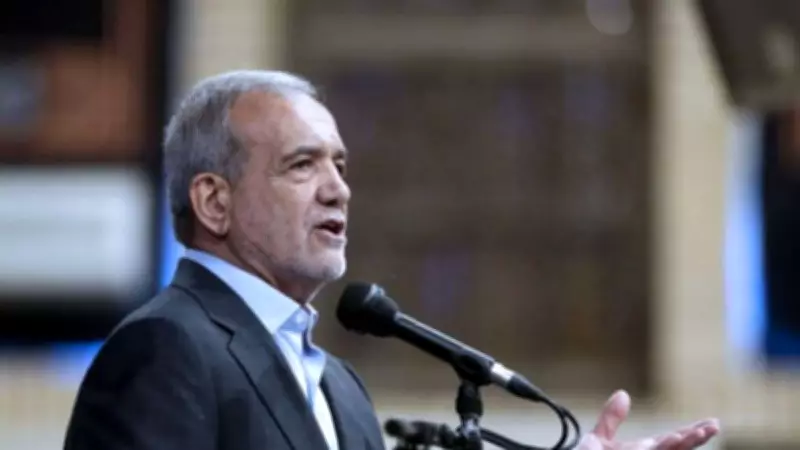
In a significant diplomatic overture, Iranian President Masoud Pezeshkian has directly addressed Arab nations, asserting that Iran holds deep respect for their sovereignty and territorial integrity. This statement comes at a time of heightened regional tensions and follows recent military actions by Iran that have drawn international scrutiny and concern.
Respect for Sovereignty as a Core Principle
President Pezeshkian, in his remarks, underscored that Iran's foreign policy is fundamentally rooted in the principle of non-interference in the internal affairs of other states. He articulated a clear commitment to peaceful coexistence and mutual respect with all neighboring countries, particularly those in the Arab world. This message is seen as an effort to reassure regional partners and mitigate fears of Iranian expansionism or destabilization.
However, the Iranian leader coupled this assurance with a firm justification for Iran's recent activities.He explained that while Iran prioritizes diplomacy and stability, it has been compelled to take defensive measures in response to what he described as "provocative actions" and "existential threats" from external actors. Pezeshkian did not name specific countries but implied that Iran's actions were reactive and necessary for national security.

The Context of Forced Action
The president's comments appear to reference recent incidents, including missile strikes and support for proxy groups, which have escalated tensions in the Middle East. Pezeshkian argued that Iran was left with no choice but to act to protect its interests and citizens from aggression. He framed these moves as acts of self-defense, undertaken reluctantly and only after other avenues had been exhausted.
This dual narrative—of respect coupled with justified force—aims to position Iran as a responsible actor forced into a defensive posture.Analysts suggest that this approach seeks to balance Iran's regional ambitions with the need to maintain diplomatic channels and avoid complete isolation. By emphasizing sovereignty, Pezeshkian may be attempting to build bridges with Arab nations that have historically viewed Iran with suspicion due to sectarian and geopolitical rivalries.
Regional and International Implications
The statement has significant implications for Middle Eastern diplomacy. On one hand, it offers a potential opening for dialogue and de-escalation, as Iran explicitly acknowledges the importance of Arab sovereignty. On the other hand, the justification of "forced action" could be perceived as a veiled threat or an excuse for future interventions, potentially undermining trust.
- Arab Reactions: Responses from Arab capitals have been mixed, with some welcoming the conciliatory tone while others remain skeptical of Iran's intentions.
- Global Perspective: International observers are closely monitoring whether this rhetoric translates into tangible policy shifts or reduced hostilities in conflict zones like Yemen and Syria.
- Domestic Audience: Within Iran, Pezeshkian's message likely aims to bolster national pride and justify government actions to a populace weary of economic sanctions and isolation.
Ultimately, Pezeshkian's address reflects the complex balancing act Iran faces: asserting its regional influence while managing relationships with neighboring Arab states. The coming months will reveal whether this verbal assurance of respect leads to meaningful diplomatic engagement or remains merely rhetorical amidst ongoing tensions.