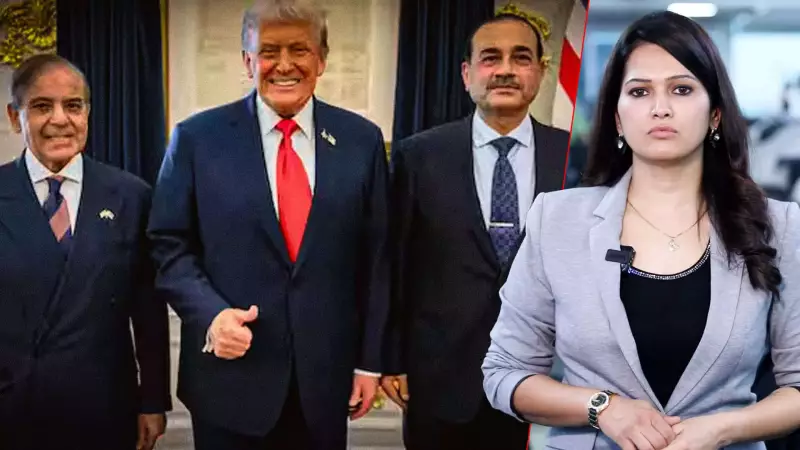
A startling investigation by The New York Times has uncovered how Pakistan's aggressive lobbying strategy in Washington dramatically outperformed India's efforts during the Trump administration, resulting in starkly different treatment for the two South Asian neighbors.
The Lobbying Disparity That Reshaped Diplomacy
According to the explosive report published on November 14, 2025, Pakistan allocated nearly three times more money than India on Washington lobbying firms. This substantial financial investment yielded immediate and tangible returns that fundamentally altered the diplomatic landscape.
The documents reveal that Pakistan secured contracts with firms having direct connections to Trump insiders, which subsequently opened doors that had previously remained closed. The most significant outcome was direct access to the Oval Office for Pakistan's Army Chief, a privilege that contrasted sharply with India's experience during the same period.

Contrasting Outcomes for Neighboring Nations
While Pakistan enjoyed unprecedented access and favorable policy decisions, India faced what experts describe as the coldest period in US-India relations in decades. The disparity in treatment became increasingly evident through several key developments.
Pakistan successfully negotiated tariff reductions and secured a massive half-billion-dollar minerals agreement with American interests. Simultaneously, India confronted punishing tariff hikes and harsh public statements from the Trump administration that strained bilateral ties.
The pattern that emerged was unmistakable: strategic lobbying investments translated directly into political access and substantive policy changes. Experts analyzing the situation emphasize that the $5-million lobbying strategy employed by Pakistan may have permanently reshaped South Asia's diplomatic dynamics.
The Broader Implications for Regional Politics
The revelations come amid ongoing tensions in the region and raise serious questions about how foreign policy decisions are influenced in Washington. The timing of these lobbying efforts coincided with several critical developments in South Asian geopolitics.
While Pakistan strengthened its position through strategic Washington investments, India found itself navigating increasingly complex international relationships, including its dealings with Russia and China. The success of Pakistan's approach demonstrates the continuing power of well-funded lobbying operations in shaping American foreign policy toward South Asia.
This investigation sheds new light on why two neighboring countries with similar strategic importance to the United States experienced such dramatically different treatment during the same administration. The evidence strongly suggests that financial investment in Washington lobbying may have been the decisive factor.