Pakistan's Afghan Policy: Military Dominance Sparks Deep State Debate
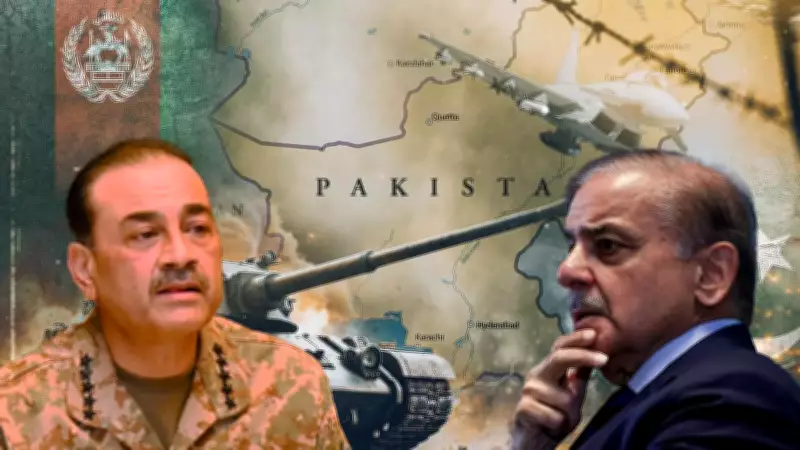
Amid escalating tensions between Pakistan and Afghanistan, a critical question has emerged: who truly controls Pakistan's Afghan policy? According to analysts and diplomats, the answer points overwhelmingly to Pakistan's military establishment, which is playing the dominant role in shaping the country's strategic response.
The Deep State Debate Reignited
Recent comments from experts have reignited the long-standing debate over Pakistan as a "deep state," where the military establishment wields significant influence over national security and foreign policy decisions. This phenomenon, often discussed in political circles, suggests that while civilian governments may hold nominal power, the military retains substantial control over critical policy areas, particularly those involving neighboring countries like Afghanistan.
The timing of this discussion is crucial, as Pakistan-Afghanistan relations have been strained by border disputes, security concerns, and diplomatic friction. Analysts note that the military's involvement in Afghan policy is not new but has become more pronounced in the current geopolitical climate.

Analysts and Diplomats Weigh In
Multiple sources within diplomatic circles and think tanks have highlighted the military's central role. They argue that Pakistan's approach to Afghanistan is largely driven by security considerations, which fall under the military's purview. This includes issues such as cross-border terrorism, refugee management, and regional stability, all of which are heavily influenced by military strategists.
Key points from experts include:
- The military's historical involvement in Afghan affairs dates back decades, giving it unparalleled expertise and influence.
- Civilian governments often defer to military leadership on security matters, reinforcing the deep state dynamic.
- Recent tensions have amplified the military's role, as it seeks to protect Pakistan's interests amid uncertainty in Afghanistan.
Implications for Regional Stability
The dominance of the military in Afghan policy has significant implications for regional stability. On one hand, it ensures a consistent and security-focused approach, which some argue is necessary given the volatile nature of Afghanistan. On the other hand, it raises concerns about the sidelining of diplomatic and civilian inputs, potentially leading to rigid or confrontational policies.
Diplomats warn that this dynamic could complicate efforts to resolve disputes peacefully, as military priorities may not always align with broader diplomatic goals. Additionally, the deep state narrative undermines the credibility of Pakistan's civilian institutions, both domestically and internationally.
As tensions persist, the debate over who runs Pakistan's Afghan policy is likely to intensify, with analysts calling for greater transparency and civilian oversight to balance military influence.