Pakistan Proposes Broader Islamic Security Alliance with Saudi Arabia
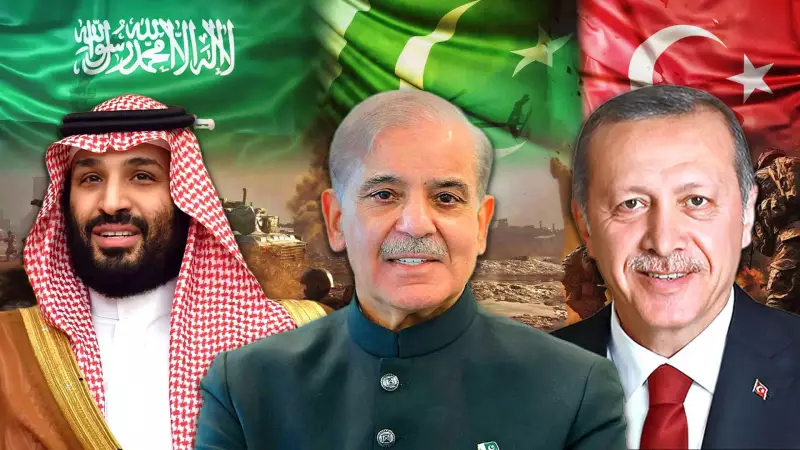
Pakistan is actively pushing to transform its existing bilateral defense cooperation with Saudi Arabia into a wider security alliance for the Islamic world. The proposal, floated by Islamabad, seeks to create a collective framework for deterrence and shared military planning.
Motivations Behind the Proposal
Pakistan's defense minister has outlined several key reasons for this initiative. Rising tensions in the Middle East, Israel's expanding military reach, and declining engagement from the United States are cited as primary drivers. The goal is to foster deeper military coordination among Muslim nations to enhance security and reduce reliance on external powers.
Pakistan highlights its own experience, nuclear status, and neutral positioning as strengths that could benefit such an alliance. However, the idea remains largely aspirational at this stage, with no concrete operational plans in place.

Regional and Global Implications
From India's perspective, this proposal reveals Pakistan's ongoing search for relevance and leadership amid internal and regional pressures. It underscores Islamabad's efforts to assert itself on the global stage despite facing significant challenges at home.
The success of this initiative hinges largely on Saudi Arabia's response. Riyadh has diversified its strategic partnerships in recent years and may resist rigid bloc politics that could limit its flexibility. Saudi Arabia's stance will be a critical variable in determining the proposal's future.
Current Status and Future Prospects
For now, the proposal signals intent rather than consensus. Its realization will depend on political will across various capitals, not just rhetoric from Islamabad. The idea faces numerous hurdles, including differing priorities among Islamic nations and existing geopolitical alignments.
While Pakistan presents this as a solution to regional volatility, many observers view it as an ambitious project that may struggle to gain traction. The proposal reflects broader trends in global security dynamics, where nations are increasingly exploring alternative alliances amid shifting power balances.